
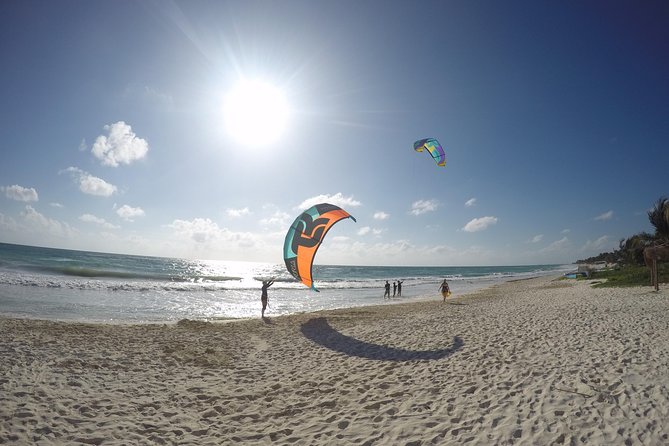
Reviewed · WORKSHOPS
Private Kiteboarding Lesson in Tulum
Wind training beats guessing. This private kiteboarding lesson in Tulum focuses on the stuff that makes you safer and smoother fast, from kite theory to real water control. You’ll get an IKO-certified instructor and a clear, structured progression that fits both first-timers and returning kiters.
I especially like how the lesson is private, so you’re not stuck doing someone else’s checklist—you can work on your goals. In one set of feedback, Mauricio and Roma stood out as fun, adaptable, and excellent teachers, including when a partner was totally new and when the more advanced rider wanted strapless and winging practice. A possible drawback: it’s weather-dependent, so if wind conditions aren’t favorable, expect schedule adjustments or the option to switch dates or get a refund.
If you want a focused session with gear provided and real safety drills, this is a strong choice. It’s also practical for staying comfortable before and after, since bathroom and shower access is included. Just keep in mind that transportation and food/drinks are not included, so plan around that.
In This Review
- Key Things You’ll Notice Right Away
- Private Kiteboarding Lesson in Tulum: What Makes It Work
- Where You Meet: Setting Expectations Before You Hit the Sand
- The First Phase on the Beach: Kite and Wind Theory That Actually Guides You
- In the Water: Building Power, Direction, and Confidence Step by Step
- The water progression you’ll follow
- Coaching Style: How Private Lessons Get Personalized
- Gear, Comfort, and Included Extras That Save the Day
- Price and Value: Is $270 Per Person Worth It?
- Who Should Book This (and Who Should Skip It)
- Practical Tips to Get Better Fast in Only Three Hours
- Should You Book This Private Kiteboarding Lesson in Tulum?
- FAQ
- How long is the private kiteboarding lesson in Tulum?
- What’s the meeting point for the lesson?
- Is transportation included?
- Is food or drinks included?
- What’s included in the lesson?
- What’s the minimum age and who should avoid booking?
Key Things You’ll Notice Right Away
- Wind window theory first: you learn how to read the kite before you ever chase power.
- Bar and safety systems get real attention: setup and control aren’t treated like background noise.
- Self-rescue is taught by design: you practice the technique sequence, not just the concept.
- Structured water progression: body drag upwind, power strokes, then waterstarts with support.
- Personal goals are welcome: instructors can adapt for tricks like strapless and winging.
- Paddleboarding boards are included too: there’s a backup option for lighter fun while you’re on-site.
Just your group, more private days out
- 4 Private Cenotes, Zip-Lines, Canoes & Mayan Village with Delicious Lunch★ 5.0 · 757 reviews
- Chichen Itza Private Tour VIP★ 5.0 · 369 reviews
- Private 40′ Bali Catamaran – Drinks & Food Included★ 5.0 · 348 reviews
- Private Tour – The best Cenotes in Yucatan – Suytun & Oxman★ 5.0 · 292 reviews
Private Kiteboarding Lesson in Tulum: What Makes It Work
A good kite lesson isn’t about watching someone else ride. It’s about understanding how the kite behaves, how your body moves, and how safety procedures help you stay in control when things go wrong. This lesson is built around that idea, starting with kite and wind theory and then moving you step-by-step into the water.
What I like most is that you don’t just get “basic instruction.” You get a guided sequence that hits the fundamentals that usually get skipped when people cram. That includes the inner workings of the bar, the logic behind safety systems, and the self-rescue technique you need if you fall out of a position you can hold.
And because it’s private, the instructor can tune the pacing to you. That matters when you’re learning the timing of kite control while also figuring out stance, board handling, and waterstart mechanics. You’ll spend your time doing your lesson, not waiting for a group dynamic.
Where You Meet: Setting Expectations Before You Hit the Sand
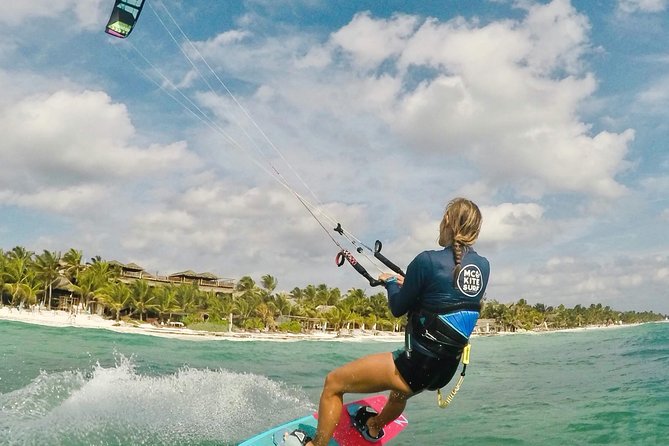
You’ll meet at Ahau Tulum, at Carr. Tulum a Boca Paila Km. 7.5, Zona Costera, Tulum Beach. The activity ends back at the meeting point, so you’re not sent off to random beaches or split between locations.
For a 3-hour session, that matters. Getting settled quickly helps you start with theory and setup rather than burning time on logistics. You’ll also have access to bathrooms, showers, and Wi-Fi during the experience, which is a nice comfort factor when you’re working hard in and out of the water.
Since transportation isn’t included, you’ll want your plan for getting there and back sorted ahead of time. The lesson is designed to run when conditions are good, so don’t build in long buffer waits that could throw off your timing.
The First Phase on the Beach: Kite and Wind Theory That Actually Guides You
Your lesson starts at the beach with a clear progression. This is where you learn the language of kiteboarding before the kite starts pulling hard. The sequence is practical: you’ll connect what you see with what you’re supposed to do.
Here’s what you can expect on shore:
1) Kite and wind theory
This is where wind window gets introduced, plus how to think about kite position and power. If you’ve ever felt like the kite is either too loose or too aggressive, this part helps you understand why—and what to adjust.
2) Set up the kite and lines
You learn the setup process yourself. That matters because kiteboarding is not just a sport you play—it’s equipment you manage. Knowing how lines and kite setup work reduces panic later.
3) How the bar and safety systems function
You get hands-on understanding of the bar and the safety mechanisms, which is essential. You’re not just told that safety exists; you learn the inner workings so you can use them with confidence.
4) Self-rescue technique
This is a standout topic because it’s safety-focused and technique-driven. You’ll go over and practice what to do to get yourself into a safer situation when you’re out of control.
5) Kite control
After theory and equipment basics, you work on controlling the kite. This becomes the foundation for everything in the water phase—power strokes, waterstarts, and directional riding.
Why this beach sequence matters: it helps you stop treating kiteboarding like a mystery. When you understand the kite’s behavior and how safety systems work, you spend less time reacting and more time learning.
In the Water: Building Power, Direction, and Confidence Step by Step
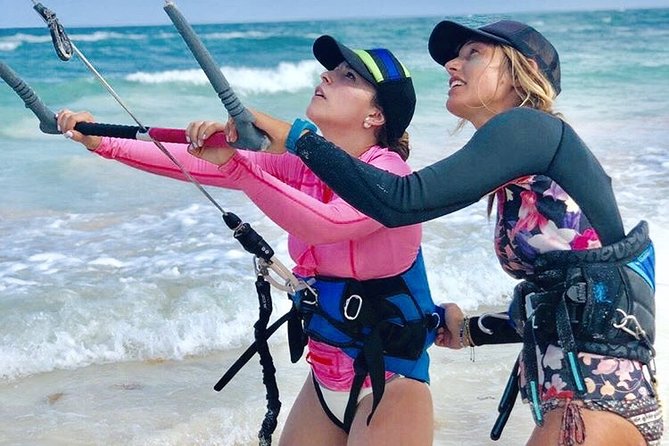
Once you’re in the water, the lesson stays structured rather than chaotic. You don’t jump straight to full riding if you’re not ready—you build key skills that create a stable ride later.
Worth a look before you lock in this Playa del Carmen day:
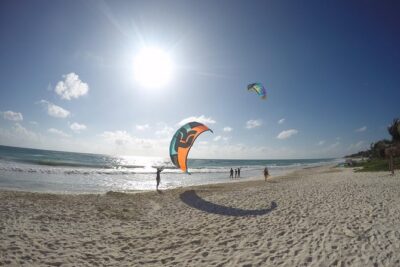
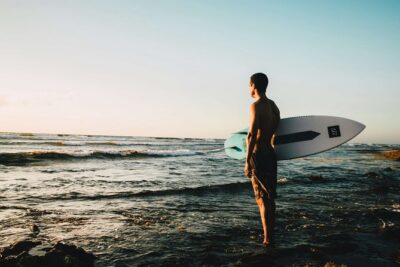

The water progression you’ll follow
6) Body drag upwind
This teaches you how to manage movement relative to the wind direction. If you don’t learn this early, waterstarts can feel like guesswork because you can’t reliably get into the right position.
7) Power strokes
You practice controlled power strokes to understand how to engage the kite’s pull at the right time. This is where you start connecting kite control with body movement instead of treating them like two separate skills.
8) Waterstart with assistance
You’ll start with support, which is valuable if you’re still learning timing. The goal is not just getting up once—it’s repeating the pattern correctly so it sticks.
9) Waterstart solo
Then you work on doing it without the same level of help. This is where confidence starts to show, because you’re proving to yourself you can execute the sequence.
10) Ride downwind
Downwind riding helps you stabilize and understand flow. It’s also often easier than trying to force an upwind angle before you’ve built control.
11) Ride upwind
Upwind riding is the skill that turns a ride into real kiteboarding. It requires coordination between kite position, body stance, and board angle.
12) Transitions
Finally, you practice transitions. This is the point where your learning becomes more “sport-like,” because you’re changing what you’re doing instead of only repeating a single move.
What to remember: water time goes fast in a 3-hour lesson. This sequence is designed to fit into that window, so expect the instructor to keep you moving through the steps rather than lingering on just one drill.
Coaching Style: How Private Lessons Get Personalized
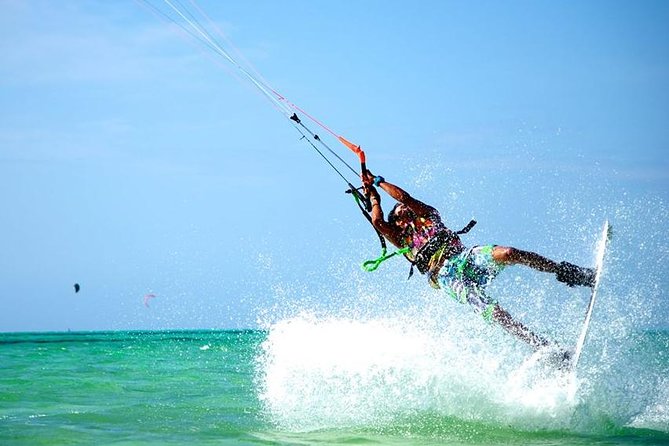
Private lessons are only “private” on paper if the instructor keeps a rigid routine. Here, the structure supports personalization. The lesson covers the full progression, but the instructor can adjust your focus to your level and your goals.
One of the strongest signals from feedback: Mauricio and Roma were described as fun, friendly, personable, and reasonable, plus excellent teachers. More importantly, they were adaptable—switching focus depending on what the rider wanted to work on and matching the approach for a brand-new partner alongside a more advanced rider.
So if you’re looking at this as a beginner lesson, you’ll get the fundamentals with coaching attention. If you’re returning and want to refine skills—or experiment with strapless and winging practice—the same structure can still work because the instructor can steer you toward the most useful drills within the lesson flow.
Practical tip: tell your instructor what you want by the start of the session. If you want a focus on waterstarts, upwind control, or tricks, saying it early helps them plan how to spend your limited time.
Gear, Comfort, and Included Extras That Save the Day
You’ll be provided kiteboarding gear as part of the experience. That’s a value point you’ll feel immediately, because kiteboarding equipment is expensive and annoying to source on your own—especially while you’re traveling.
On top of that, bathrooms and showers are included. After water time, that matters more than it sounds. You’re not just learning; you’re also managing the comfort reality of a wet, sandy session.
There’s also access to Wi-Fi and use of paddleboarding boards. The data doesn’t spell out a full paddleboarding itinerary, but it’s clearly part of what’s included on-site. In practical terms, that means you can keep the experience varied if you want a lighter moment while you’re there.
Price and Value: Is $270 Per Person Worth It?
At $270 per person for about 3 hours, this isn’t a cheap add-on. But it’s not priced like a “watch me teach” experience either. The value comes from three big things:
- Private coaching time: you’re not sharing instruction with a bigger group. That reduces waiting and makes feedback more actionable.
- Gear included: equipment supply is built into the price, so you don’t have to factor rentals separately.
- Safety-first training: kite and wind theory, bar and safety system understanding, plus self-rescue technique are not fluff. They’re the core skills that help you progress without taking unnecessary risks.
The trade-off is you’re paying for quality structure, and the session depends on favorable weather. That’s normal for kite sports, but it’s still a real scheduling factor. If you have flexibility in your travel dates, you’ll get more value out of this kind of lesson.
Who Should Book This (and Who Should Skip It)
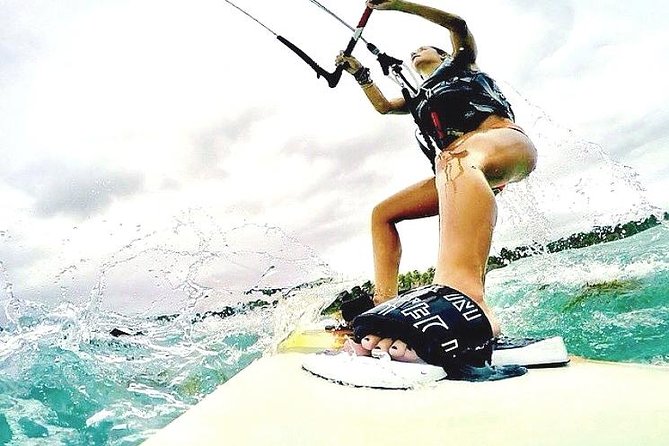
This lesson is described as ideal for all skill levels, with the instruction tailored through the lesson progression. Beginners get the theory-to-water path, while more experienced kiters can focus on specific skill goals—especially with an instructor who can adapt when conditions or priorities change.
It also requires moderate physical fitness, and it’s minimum age 10. The experience is not recommended for participants with back problems or serious medical conditions, so if you’re managing a medical limitation, check with a professional before you book.
If you’re traveling with a friend or partner, the “private group” setup can be a great way to keep things efficient. You and your group participate together, so you’re not blended into a big class where your learning priorities might get diluted.
Also, service animals are allowed, which is a helpful detail if you need that kind of accommodation.
Practical Tips to Get Better Fast in Only Three Hours
Three hours sounds like a lot until you’re learning kiteboarding. The best way to get value is to make your time count:
- Treat theory as part of the ride, not prep. Wind window and kite control concepts directly affect what happens the moment you’re in the water.
- Ask for goal-based feedback early. If you’re working toward strapless or winging, say it up front so drills can match what you want to learn.
- Use the self-rescue training mindset. If you understand how safety works, you’ll take learning risks more safely and stay calmer when the kite isn’t cooperating.
- Expect directional progression. Downwind first, upwind next, then transitions. If you fight the sequence, your learning will feel slower than it needs to be.
And keep your expectations aligned with the sport reality: the lesson runs best in favorable weather, so go in with a cooperative attitude about conditions.
Should You Book This Private Kiteboarding Lesson in Tulum?
If you want kiteboarding coaching that’s structured, safety-focused, and tailored to your level, I think this is a smart booking. The lesson hits the fundamentals you need—wind window, kite control, bar safety systems, self-rescue—then puts you through a realistic water progression that gets you riding rather than just standing around.
Book it if:
- you’re learning from scratch and want a clear path into waterstarts and directional riding
- you’re returning and want an instructor who can adapt to skills like strapless or winging
- you prefer private coaching where your time is spent on you
Skip it or rethink it if:
- you have back issues or serious medical conditions that make water activity risky
- your schedule is too tight to handle a weather-dependent session
If your dates are flexible and you’re ready to focus, this lesson is a practical way to turn Tulum wind into real skills—without trying to learn the hard way.
FAQ
How long is the private kiteboarding lesson in Tulum?
It’s approximately 3 hours, with a beach theory and setup phase followed by a progression in the water.
What’s the meeting point for the lesson?
You meet at Ahau Tulum, Carr. Tulum a Boca Paila Km. 7.5 Zona Costera, Tulum Beach, 77760 Tulum, Q.R., Mexico, and the activity ends back at the meeting point.
Is transportation included?
No. Transportation is not included.
Is food or drinks included?
No. Food and drinks are not included.
What’s included in the lesson?
You’ll get an IKO-certified instructor, kiteboarding gear, access to bathrooms and showers, and Wi-Fi. Paddleboarding boards are also included.
What’s the minimum age and who should avoid booking?
The minimum age is 10 years. It’s not recommended for participants with back problems or serious medical conditions.
More Workshops in Tulum
- Tulum: Mexican Cooking Class in Local Home
★ 4.9 · 34 reviews - Basic Surf Lessons in Tulum
★ 5.0 · 21 reviews - Mexican Cooking class experience in Tulum
★ 5.0 · 12 reviews - Salsa Class,Mezcalita Workshop & Mexican Dinner
★ 5.0 · 9 reviews - Private Mayan Food Cooking Class, Cenote and Coba Ruins
★ 5.0 · 7 reviews - Group Kiteboarding Lesson in Tulum
★ 5.0 · 6 reviews
Your Group Only, More Private Days
- 4 Private Cenotes, Zip-Lines, Canoes & Mayan Village with Delicious Lunch
★ 5.0 · 757 reviews - Chichen Itza Private Tour VIP
★ 5.0 · 369 reviews - Private 40′ Bali Catamaran – Drinks & Food Included
★ 5.0 · 348 reviews - Private Tour – The best Cenotes in Yucatan – Suytun & Oxman
★ 5.0 · 292 reviews - Tulum Ruins Tour (Private, Half Day)
★ 5.0 · 223 reviews - Snorkeling with Caribbean fish and private cenote exploration
★ 5.0 · 212 reviews
More Tour Reviews in Tulum
- Chichen Itza, Cenote and Valladolid Small Group Day Trip
★ 5.0 · 2,104 reviews - Tulum Guided Tour, Magical Cenote, Lagoon Snorkeling and Beachside Lunch
★ 5.0 · 1,888 reviews - Tulum Ruins, Turtles in Akumal and Cenote tour
★ 5.0 · 1,706 reviews - Sian Ka’an Adventure Full Day Trip to Punta Allen
★ 5.0 · 1,179 reviews - Selva Maya Eco Adventure Park: Ziplining, Hanging Bridges, Rappelling and Cenote
★ 5.0 · 1,057 reviews - Tulum Archaeological Site & Sian Ka’an Muyil Tour from Tulum
★ 5.0 · 824 reviews
Just Added: Fresh Playa del Carmen Reviews

Workshops, compared.
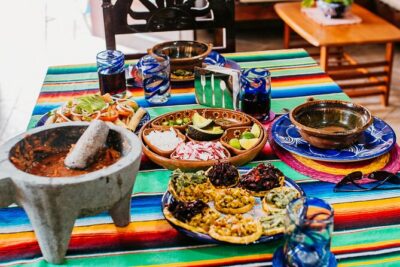 ★ 5.0Playa del Carmen Mexican Cooking ClassFrom $113306 reviews
 ★ 5.0Mexican Cooking Class 1 or 3 Courses Tequila and Mezcal TastingFrom $105151 reviews
 ★ 5.0Authentic Mexican Cooking Class in Playa del CarmenFrom $12034 reviews
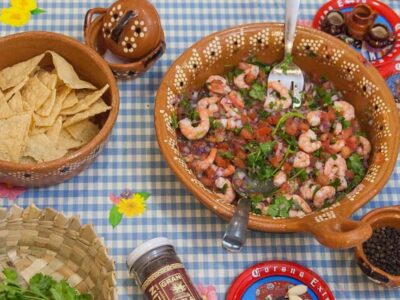 ★ 4.9Tulum: Mexican Cooking Class in Local HomeFrom $9934 reviews
Gourmet Experience: 5 Course Dinner, Cocktail Class and Wine PairingFrom $15928 reviews
★ 4.9Tulum: Mexican Cooking Class in Local HomeFrom $9934 reviews
Gourmet Experience: 5 Course Dinner, Cocktail Class and Wine PairingFrom $15928 reviews
 ★ 4.53-Hour Drinks and Appetizers Class in Playa del CarmenFrom $4927 reviews
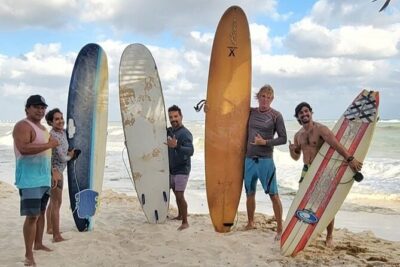 ★ 5.0Surfing Lessons – Learn To Surf In Playa del CarmenFrom $7526 reviews
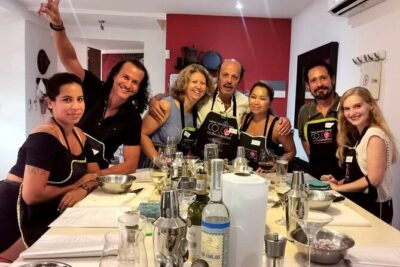 ★ 5.0DRINKING SCHOOL: Mexican Cocktail & Appetizer ClassFrom $10523 reviews
Browse the lists this tour appears in