Reviewed · PLAYA DEL CARMEN COOKING CLASSES
PDC Traditional Mexican Cooking Experience
Molcajetes start the story fast. This half-day cooking class in Playa del Carmen uses regional Mexican flavors to teach you what Mexican food tastes like when it is made the traditional way. You get a small-group setup and a hands-on kitchen experience that feels personal.
I especially like how Francisco and his assistants (Liliana and Francisco #2) keep the pace moving while you cook, with help that includes hydration during the class. You’ll also make more than the usual basics, including Chiles Rellenos and mole-style dishes. One consideration: the exact menu can change, and certain seafood options may cost extra.
In This Review
- Key highlights and takeaways
- Entering Mexican Cooking in Playa del Carmen
- Meeting at Town Hall Plaza and Getting Oriented Fast
- What the Class Is Really Teaching: Regional Flavor Thinking
- Starter Time: Antojitos Mexicanos and Aguas Frescas
- Main Course Skills: Chiles Rellenos, Pipian, Mole, and More
- Molcajete Cooking: The Technique You’ll Actually Use Again
- Seafood Upgrades: Red Snapper or Lobster (Optional)
- Drinks With the Meal: Wine and Other Choices
- Learning in a Real Kitchen, With Real Helpers
- Value and Price Thinking: What You’re Getting for Your Money
- Who This Cooking Class Fits Best
- Tips for Getting the Most Out of Your Class
- Should You Book This Traditional Mexican Cooking Experience in Playa del Carmen?
- FAQ
- What’s the duration of the PDC Traditional Mexican Cooking Experience?
- Where does the class meet in Playa del Carmen?
- What language is the cooking experience offered in?
- How big is the group?
- What dishes are included in the class?
- Are drinks included?
- Is there an optional seafood surcharge?
- Can I cancel for a full refund?
Key highlights and takeaways
- Francisco’s hands-on, food-first teaching keeps you cooking, not just watching.
- A small group (max 12 people) means you’re not lost in the crowd.
- Regional focus ties corn and chiles to the way Mexico’s flavors shift by area.
- Molcajete cooking (volcanic rock mortar) turns sauce-making into a skill you can reuse.
- Multiple dish types in one sitting, including antjitos-style starters and a main course.
- Optional upgrades like red snapper or lobster let you go bigger if you want.
Aprons on for another Yucatan kitchen
- Mexican Cooking Class 1 or 3 Courses Tequila and Mezcal Tasting★ 5.0 · 151 reviews
- Authentic Mexican Cooking Class in Playa del Carmen★ 5.0 · 34 reviews
- Cooking Class in Playa del Carmen: 9 Recipes & Bottomless Drinks★ 5.0 · 20 reviews
- Playa del Carmen: Isa’s Authentic Mexican Cooking Class★ 4.9 · 18 reviews
Entering Mexican Cooking in Playa del Carmen
This experience is about real Mexican home cooking—made with technique, not shortcuts. The setting is a cooking lesson that starts with context, then gets practical fast. You’re not just learning recipes; you’re learning why corn and chiles are at the center of so many regional dishes in Mexico.
Playa del Carmen is full of food, but this class gives you the part most visits miss: the process. You’ll start with intro talk about Mexican cuisine and regional identity—how Mexico’s many cultures create distinct flavor styles. You’ll also hear the warm house-to-house sentiment behind the whole experience: MI CASA ES TU CASA, meaning you’re treated like you belong at the table.
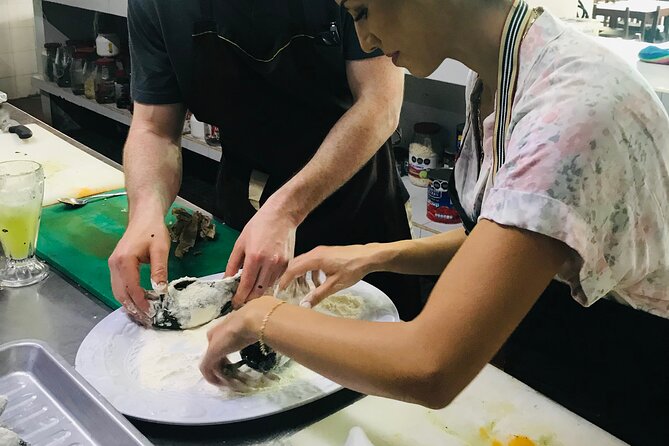
And yes, you’ll cook. The pace is designed for learning, with ingredients and equipment already handled. That matters because it turns the class into a skill-building session instead of a scavenger hunt.
Meeting at Town Hall Plaza and Getting Oriented Fast
You’ll meet at Town Hall Plaza, Calle 8 Nte, Gonzalo Guerrero, 77710 Playa del Carmen, with the experience starting around 9:00 am. The class runs about 3 hours 30 minutes, and it ends back at the meeting spot. That round-trip format is convenient if you want the rest of your day free for cenotes, the beach, or a slow lunch.
The tour uses a mobile ticket, and it’s offered in English. It’s also set up for a small group, with a stated maximum of 12 people. That’s a big deal here because you need space and attention at the cutting boards and cooking stations.
One more practical note: the meeting point is described as being near public transportation, which helps if you don’t want to deal with taxis right away.
What the Class Is Really Teaching: Regional Flavor Thinking
Before the cooking starts, you get a guided introduction to Mexican cuisine with a regional lens. The idea is simple: Mexico’s flavors aren’t one single style. They’re different. Corn and chili peppers show up constantly, but the balance—smoke, sweetness, heat, and sauce thickness—can shift depending on region and tradition.
That matters for you later, too. If you understand the ingredients and logic, you can recreate dishes at home even when you can’t find the exact same product. And if you ever try Mexican food in different cities, this lesson gives you a framework for why it tastes different.
This is also where the class explains fusion roots without losing sight of tradition. You’ll hear how pre-Hispanic and Spanish influences created today’s Mexican favorites, especially in the starters section.
Starter Time: Antojitos Mexicanos and Aguas Frescas
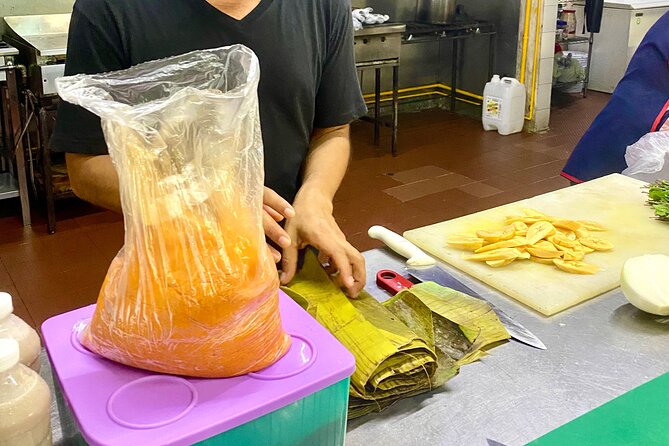
The lesson kicks off with Aguas Frescas—refreshments that keep you hydrated while you’re working. In many cooking classes, you get a drink at the start and that’s it. Here, hydration is built into the flow.
You’ll also prepare Antojitos Mexicanos, described as fusion-flavored food influenced by pre-Hispanic and Spanish traditions. Antojitos is one of those key Mexican concepts: these are the foods people crave as snacks, comfort dishes, and easy bites that don’t feel formal.
Why this starter matters: it teaches you foundational flavors in a manageable way. You practice working with corn-based elements, chiles, and sauce styles, without waiting until the main course to learn how everything connects.
And the overall vibe stays friendly and focused. The assistants (including Liliana and Francisco #2) help with timing and support, so your station stays active and you’re not stuck waiting while someone else finishes a task.
More time at the Yucatan stove
Main Course Skills: Chiles Rellenos, Pipian, Mole, and More
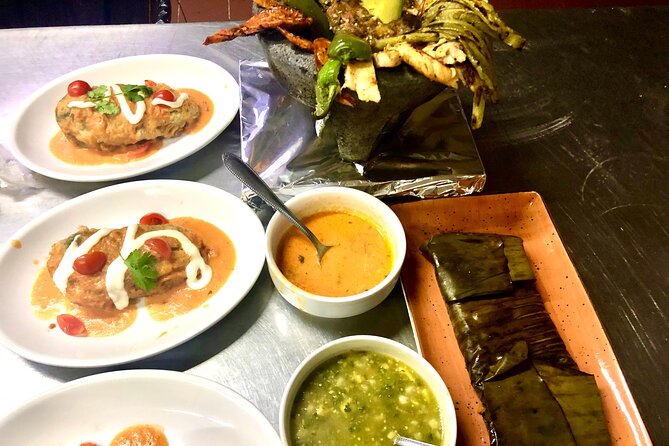
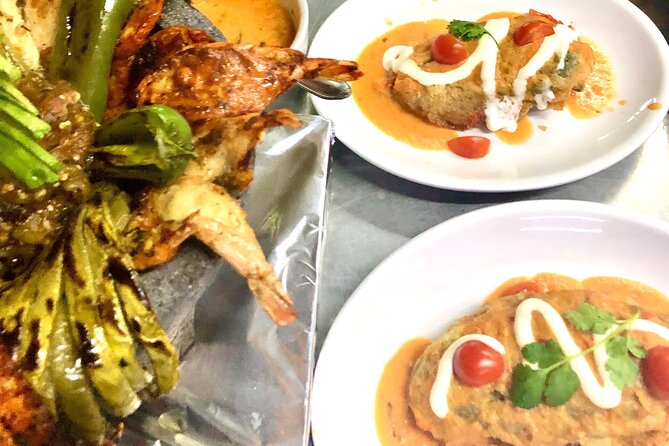
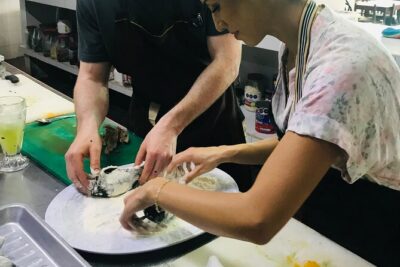
The main dish is where the class earns its keep. You’ll learn how to make a traditional Mexican dish that varies over time, and the options can include classics like Chiles Rellenos, Pipian, and Mole (or mole-style paste). The selection is designed around traditional technique—saucing, filling, seasoning, and building layers of flavor.
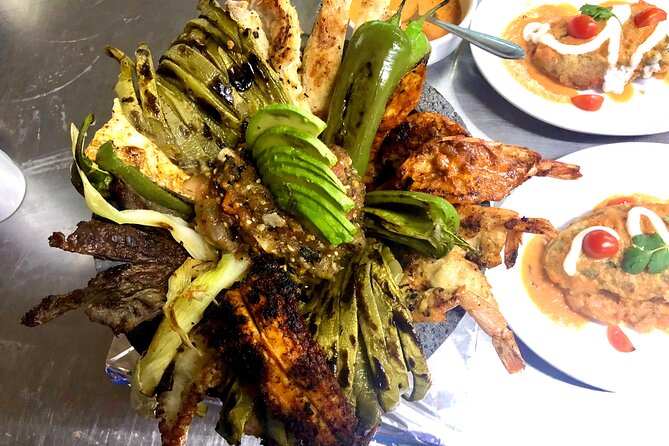
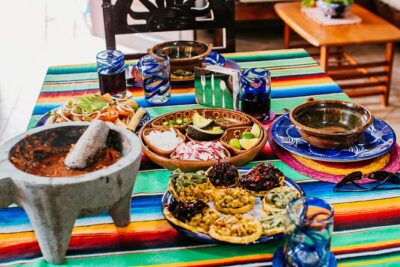
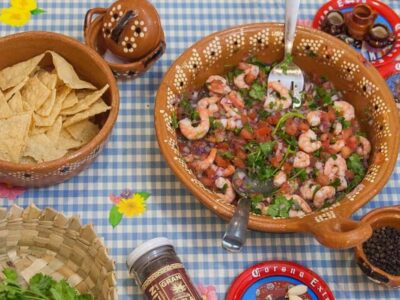
You’ll also cook a standout for seafood lovers: a Cielo, Mar y Tierra Molcajete with items like octopus, shrimp, flank steak, and chicken. The molcajete part matters because it isn’t just a serving tool. It’s used to grind and shape the texture of sauces and pastes. When you work with it, you feel how Mexican kitchens use tools to control flavor and consistency.
Side dishes are included to round out the plate. That’s important if you want to recreate the meal later, because Mexican food is rarely just one dish—it’s a system of tastes.
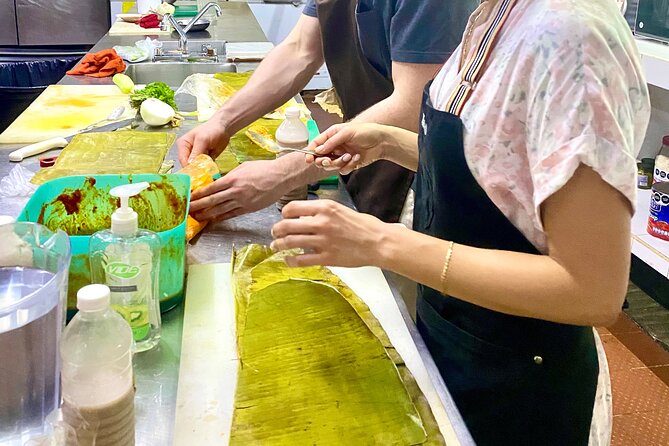
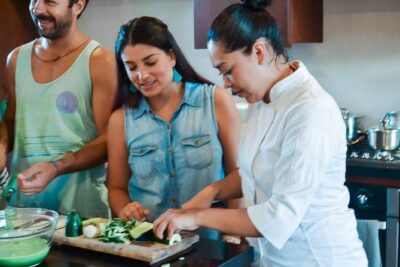
If you’re wondering what the cooking feels like day-of: expect a sequence of tasks, ingredient prep, and active cooking steps rather than a long lecture. The helpers keep you on track, including clean-up support and keeping stations ready.
Molcajete Cooking: The Technique You’ll Actually Use Again
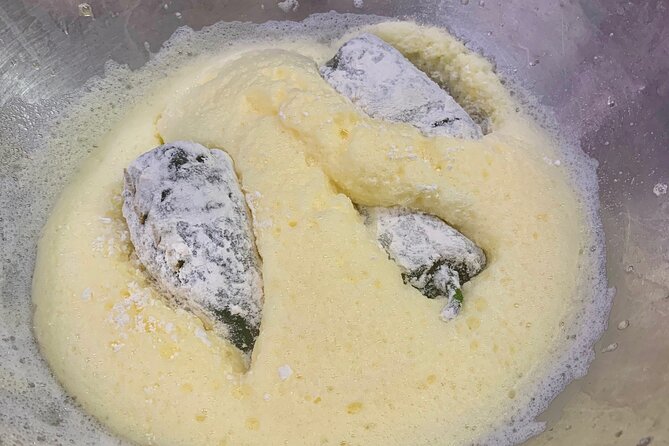
A lot of people try Mexican cooking at home and struggle with one thing: texture. Too thin. Too chunky. Too bland. The molcajete approach helps because you’re actively shaping the sauce or paste while you work.
Here’s what you learn in practical terms:
- how to grind and combine ingredients so the flavor spreads
- how to manage thickness, especially in chili-based and mole-style preparations
- how to build a cohesive sauce that works with different proteins
This is one of those “learn it once, use it forever” skills. Even if you don’t make the exact same surf-and-turf mix again, you can apply molcajete logic to other Mexican-style sauces.
And if you like seafood, the class gives you options that go beyond the usual chicken-and-beef routine. If you don’t eat seafood, you’re still covered with other main choices like chiles rellenos and sauce-focused dishes.
Seafood Upgrades: Red Snapper or Lobster (Optional)
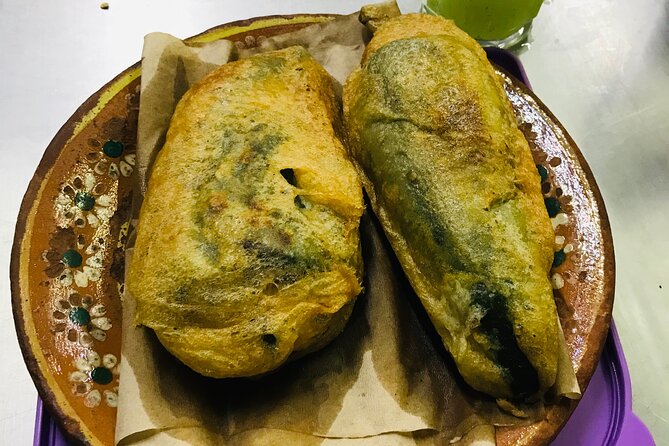
There’s an optional surcharge for red snapper or lobster depending on your choice. That means you can keep the experience traditional in spirit while choosing a more premium main ingredient if you want.
Practical advice: if seafood is your priority, ask which upgraded option is available for the day. Since the main dish can vary, confirming the specific protein and dish combination you’re signing up for can help you avoid disappointment.
Drinks With the Meal: Wine and Other Choices
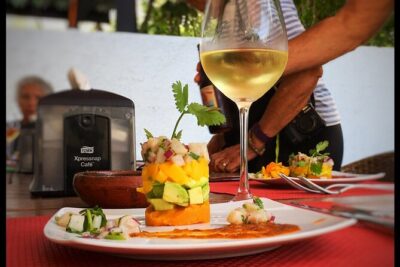
Your meal can be accompanied by flavored Mexican wine from a selected winery, or another drink of your choice. This is a nice touch because it keeps the class meal from feeling like a rushed sample.
Also, the “flavored wine” detail matters. You’re not forced into a plain drink pairing. If you enjoy wine, this gives you a chance to taste something designed to match Mexican flavors. If you don’t, there are other options available.
Either way, the goal is simple: enjoy what you made while it’s fresh, warm, and ready.
Learning in a Real Kitchen, With Real Helpers
A big part of the value here is that you cook in what feels like a real restaurant-style setup. That’s not just comfort—it’s logistics. You get the tools you need, and the cooking flow is designed so you can actually participate.
The class also runs with assistants who support timing and prep so you’re not waiting around. In the experience, Liliana and Chef Francisco #2 help keep things moving, and they also focus on staying ahead of the needs of each dish. That includes helping you stay hydrated with the kind of minted fruit drink described during the class.
Clean-up and station discipline are part of the experience too. That keeps the focus on cooking rather than chaos.
Value and Price Thinking: What You’re Getting for Your Money
No price is listed here, so I can’t tell you if this is the cheapest class in town. What I can do is explain the value logic.
You’re paying for:
- ingredients and cooking equipment provided for the class
- a small-group format (max 12 people)
- multiple dishes, including starters and a substantial main course
- hands-on instruction with support from assistants
- the meal you cook, plus drinks during the class
Classes that feel cheap often skim on one of those things—either they’re too short, too basic, or you do more watching than cooking. Here, the structure suggests you’ll go home with real technique. That’s what makes it worth it.
Also, if you like the idea of food you can repeat at home, this format supports that goal. You’re not just collecting recipes. You’re practicing steps and learning texture control.
Who This Cooking Class Fits Best
This is a strong choice if you:
- want to understand Mexican cuisine through regional ingredients and flavor logic
- like hands-on cooking more than food tours that just hand you bites
- want an experience in Playa del Carmen that feels like a real cultural activity, not a souvenir meal
- travel in a small group or want individual attention
It also works well if you’re a food nerd. You’ll care about details like chili-based sauces, corn-centered dishes, and how different flavors come together in a plate.
If you’re in a hurry and hate cooking stations, this might feel like “work.” But if you can handle chopping, mixing, and stovetop time for a few hours, you’ll likely enjoy it.
Tips for Getting the Most Out of Your Class
A few practical moves make a difference:
- Arrive on time so you don’t miss the intro and starter prep.
- Take a moment to ask questions as you go, especially about sauce thickness and chili balance.
- If you want lobster or red snapper, confirm that option early so you’re not guessing later.
- If you prefer a specific drink style, mention it when choices come up.
- You may be able to take leftovers home since packing is offered.
Should You Book This Traditional Mexican Cooking Experience in Playa del Carmen?
Book it if you want a real cooking class with technique, not just a taste session. The combination of a small group, hands-on cooking, and a menu that can include everything from chiles rellenos to mole-style sauces and a molcajete main makes this a smart use of a half day.
Skip it only if you’re not into cooking at all or you’re chasing a very passive, stroll-and-snack experience. This is food work. Done well, though, and with help from Francisco, Liliana, and Chef Francisco #2, it’s set up to feel welcoming and manageable.
If you’re deciding between another food option in Playa, this one wins on skill. You leave knowing how to make more than one dish—and why it tastes the way it does.
FAQ
What’s the duration of the PDC Traditional Mexican Cooking Experience?
The experience runs for about 3 hours 30 minutes.
Where does the class meet in Playa del Carmen?
It starts at Town Hall Plaza, Calle 8 Nte, Gonzalo Guerrero, 77710 Playa del Carmen, Q.R., Mexico, and ends back at the meeting point.
What language is the cooking experience offered in?
The experience is offered in English.
How big is the group?
The tour has a maximum group size of 12 people.
What dishes are included in the class?
You’ll start with introductions and then prepare Aguas Frescas and Antojitos Mexicanos. You’ll also prepare a main traditional Mexican dish that can include options such as Chiles Rellenos, Pipian, Mole, and molcajete-style dishes with seafood and meats, plus side dishes to go with the meal.
Are drinks included?
Refreshments are provided during the class, and the meal can be accompanied by flavored Mexican wine or another drink of your choice.
Is there an optional seafood surcharge?
Yes. There is an optional surcharge for red snapper or lobster, based on your choice.
Can I cancel for a full refund?
Yes. Free cancellation is available if you cancel at least 24 hours in advance of the experience start time for a full refund. Changes within 24 hours of the start time are not accepted, and refunds won’t apply if you cancel less than 24 hours before.
Learn Another Yucatan Dish
- Playa del Carmen Mexican Cooking Class
★ 5.0 · 306 reviews - Mexican Cooking Class 1 or 3 Courses Tequila and Mezcal Tasting
★ 5.0 · 151 reviews - Authentic Mexican Cooking Class in Playa del Carmen
★ 5.0 · 34 reviews - Cooking Class in Playa del Carmen: 9 Recipes & Bottomless Drinks
★ 5.0 · 20 reviews - Playa del Carmen: Isa’s Authentic Mexican Cooking Class
★ 4.9 · 18 reviews - Playa del Carmen: Mexican Cooking Class
★ 5.0 · 16 reviews
More Tour Reviews in Playa del Carmen
- From Playa del Carmen ATV Adventure with Ziplines, Cenote
★ 5.0 · 2,041 reviews - Half-Day Sea Turtle and Cenote Snorkeling Tour from Cancun & Riviera Maya
★ 5.0 · 2,039 reviews - VIP Chichen Itza Private Tour
★ 5.0 · 1,782 reviews - Playa del Carmen Buggy Tour with Cenote Swim and Mayan Village Visit
★ 5.0 · 1,747 reviews - Playa del Carmen Walking Food Tour
★ 5.0 · 1,274 reviews - Jungle Buggy Tour from Playa del Carmen Including Cenote Swim
★ 5.0 · 1,253 reviews
Cook It Yourself: Yucatan Classes
- Playa del Carmen Mexican Cooking Class
★ 5.0 · 306 reviews - Mexican Cooking Class 1 or 3 Courses Tequila and Mezcal Tasting
★ 5.0 · 151 reviews - Authentic Mexican Cooking Class in Playa del Carmen
★ 5.0 · 34 reviews - Cooking Class in Playa del Carmen: 9 Recipes & Bottomless Drinks
★ 5.0 · 20 reviews - Playa del Carmen: Isa’s Authentic Mexican Cooking Class
★ 4.9 · 18 reviews - Playa del Carmen: Mexican Cooking Class
★ 5.0 · 16 reviews
Just Added: Fresh Playa del Carmen Reviews


Playa del Carmen Cooking Classes, compared.
 ★ 5.0Mexican Cooking from Scratch in a Local Home in TulumFrom $101585 reviews
 ★ 5.0Playa del Carmen Mexican Cooking ClassFrom $113306 reviews
 ★ 5.0Mexican Cooking Class 1 or 3 Courses Tequila and Mezcal TastingFrom $105151 reviews
 ★ 4.9Tulum: Mexican Cooking Class in Local HomeFrom $9934 reviews
 ★ 5.0Authentic Mexican Cooking Class in Playa del CarmenFrom $12034 reviews
 ★ 5.0Cooking Class in Playa del Carmen: 9 Recipes & Bottomless DrinksFrom $8520 reviews
 ★ 4.9Isa’s Authentic Mexican Cooking ClassFrom $12018 reviews
★ 5.0Mexican Cooking ClassFrom $11316 reviews
Browse the lists this tour appears in