
Reviewed · CENOTE SWIMS NEAR PLAYA
Scuba Diving in Cenote Kukulkan from Playa del Carmen
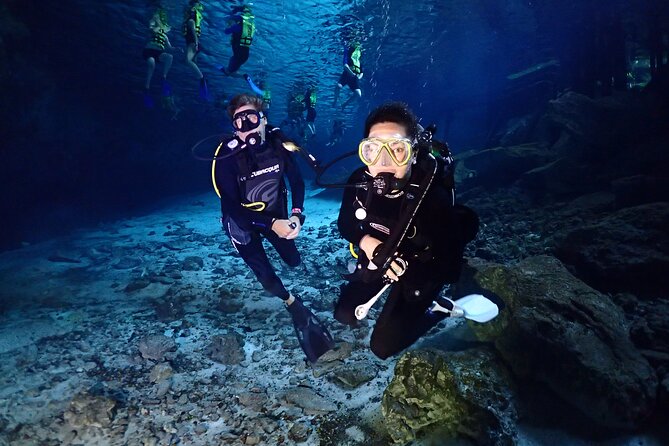
Tiny group, big light in the cenotes. This Cenote Kukulkan scuba outing from Playa del Carmen stays friendly and hands-on, with round-trip transfers and a maximum group size of 4 so you get real attention before you go underwater. I like how the day is structured around comfort—gear is sorted fast, the route is explained, and your guide keeps things calm and clear from the first briefing.
The only real drawback to plan for is cost creep: cenote entrance fees aren’t included (MX$300 per person for both cenotes), so you’ll want to budget for that on top of the tour.
In This Review
- Key things I think are worth your attention
- Cenote Kukulkan in a small group: why this format feels better
- Getting there from Playa del Carmen: 8:00 am start, 30-minute ride, and a real briefing
- Gear and tank checks: the calm part that keeps the day smooth
- The safety and underwater briefing you actually need
- Two underwater sessions on different lines: how the day unfolds
- Lunch and the end-of-day vibe: typical Mexican meal, with possible sandwiches
- Price and entrance fees: what you’re really paying for
- Who this is best for (and who should think twice)
- Practical packing tips for a cenote day
- Should you book the Cenote Kukulkan scuba session from Playa del Carmen?
- FAQ
- Do I need scuba certification to go?
- What time does the tour start and when do we get back?
- Is the cenote entrance fee included?
- Is scuba gear provided?
- Are underwater cameras allowed?
- How big is the group?
Key things I think are worth your attention
- Max 4 people keeps the pace personal and the coaching practical
- Hotel pickup and drops mean fewer logistics headaches in Playa del Carmen
- Gear is included and already arranged for you when you arrive
- A Mayan-and-cenote briefing happens before you start, so the place has context
- Two underwater routes with a planned surface interval based on your first session
- Entrance fees are extra (MX$300 per person)
Cooler water underground, more Playa cenotes to pick from
- From Playa del Carmen ATV Adventure with Ziplines, Cenote★ 5.0 · 2,041 reviews
- Half-Day Sea Turtle and Cenote Snorkeling Tour from Cancun & Riviera Maya★ 5.0 · 2,039 reviews
- Playa del Carmen Buggy Tour with Cenote Swim and Mayan Village Visit★ 5.0 · 1,747 reviews
- Jungle Buggy Tour from Playa del Carmen Including Cenote Swim★ 5.0 · 1,253 reviews
Cenote Kukulkan in a small group: why this format feels better
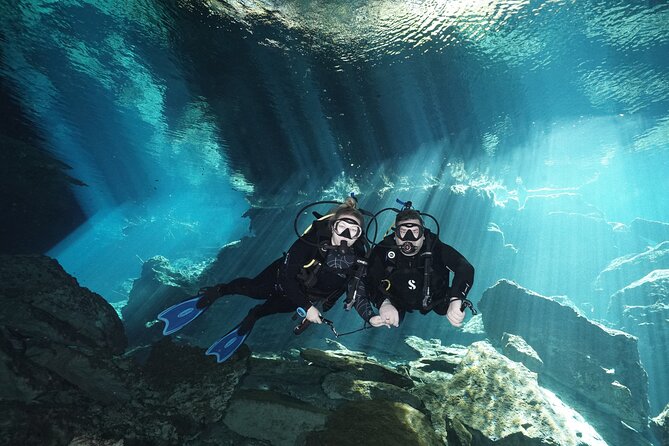
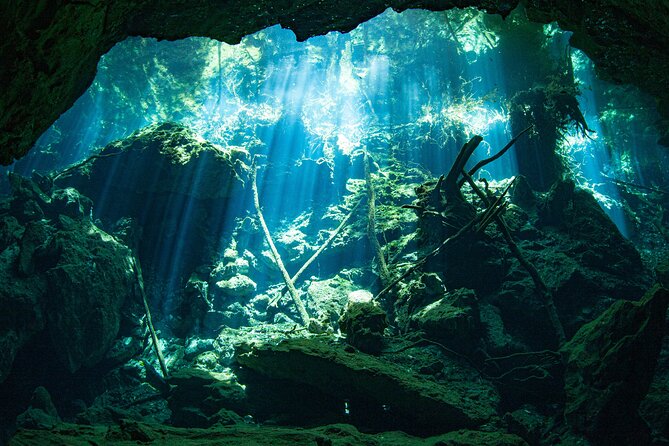
Cenotes are famous for light, shadows, and that odd calm you get in dark, enclosed spaces. What makes this trip especially good is the small size. With up to 4 travelers, you’re not dodging a crowd or waiting for someone to find their mask. Your guide can actually watch how you set up, how you breathe, and whether you look comfortable at each step.
That matters in cenotes because the experience is more controlled than an open-water day. You’ll spend time preparing, checking gear, and getting your bearings at the entry point and on the path you’ll follow underwater. When the group is small, those steps don’t feel like delays—they feel like support.
The guides also lean into more than just instructions. During the drive and again on site, you’ll get history and importance about cenotes and Mayan culture, plus tips geared to your comfort level. Even if you’re experienced, that kind of setup makes the whole day less stressful and more enjoyable.
Getting there from Playa del Carmen: 8:00 am start, 30-minute ride, and a real briefing
You meet at 8:00 am at Fruit StandCentro (77710 Playa del Carmen). The gear is already on the vehicle, which is a small detail that saves you time and mental energy—no hunting around, no guessing whose bag is whose.
The drive is about 30 minutes. During that time, your guide shares what to expect that day: how the program works, what you’ll see, and why the cenotes are important in the broader Mayan context. If you like having a mental picture before you arrive, this part is a win. You walk in knowing what the day’s rhythm looks like.
Your guide also talks with you about your previous scuba experience. That means they can offer targeted tips—things like how to settle your breathing, how to stay relaxed through the planned stops, and how to feel steady before the first underwater portion. If you haven’t been underwater in a while, this kind of coaching can make the difference between nervous and ready.
Gear and tank checks: the calm part that keeps the day smooth
Once you arrive, you prepare your equipment together. This is where you’ll see the benefit of doing things with a guide who checks details. Before the first underwater session, the guide inspects everything and checks the tank pressure.
That might sound basic, but in a cenote, small issues become big annoyances. A slow setup, a missing strap, or an unexpected pressure problem can steal your confidence right when you want to enjoy the light and the quiet. Here, you start with the gear ready to go, and you get a proper pre-session check so you can focus on being comfortable.
You also walk around the premises before you start. You’ll get familiar with the entry point and the dive path you’ll follow. Again, that sounds procedural, but it actually helps you relax underwater. You already know what the route looks like, so you can stop spending attention on orientation.
The safety and underwater briefing you actually need
Before you start your first underwater portion, you’ll get a security and dive briefing (meaning safety and instructions for the water part). This is the moment where your guide sets expectations: where to move, how to handle the planned stops, and how the group will manage the surface interval later.
Because the group is small, you also get a more personal tone. If something doesn’t feel clear, you can ask right there, rather than after someone else has already gone under.
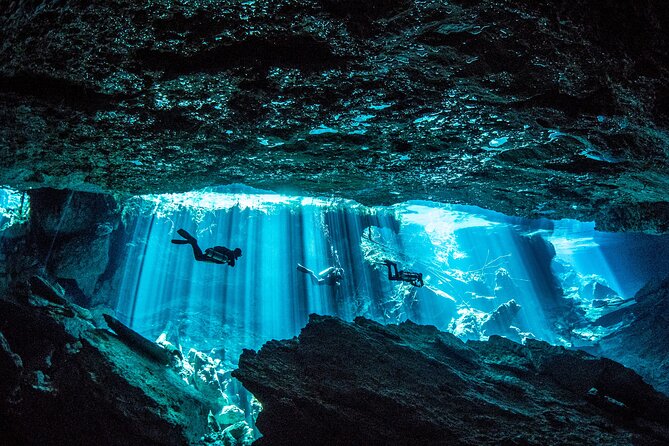
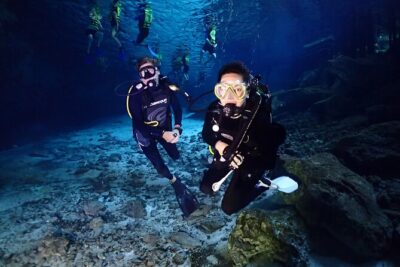
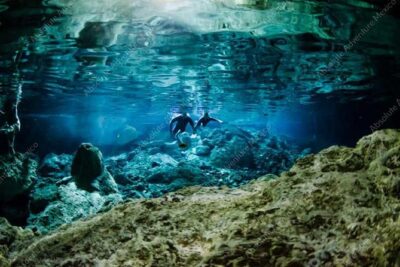
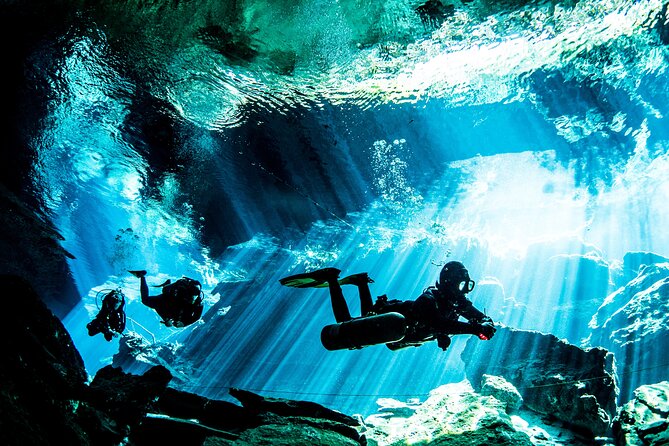
One detail I really like from the experience reports is how the guide manages pacing. In particular, the underwater route includes pauses at places where the light refractions are beautiful. That means you’re not just rushing through the route to hit checkmarks. You’re meant to take in what’s happening in the water environment—while still staying safe and controlled.
Down into the caverns, other dives near Playa
Two underwater sessions on different lines: how the day unfolds
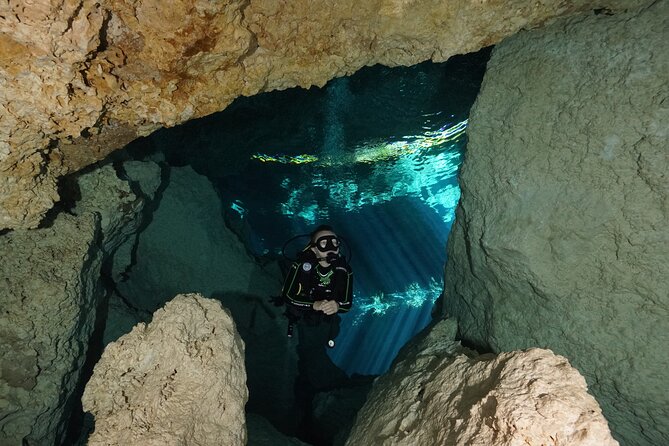
This trip includes two underwater sessions, and you’ll do them on two different lines. That variety matters because cenotes can feel similar at first glance, even though they look different as you move through the route. Switching lines helps keep the experience from feeling repetitive.
Between the two sessions, there’s a surface interval. The timing is determined based on your first underwater portion, so it’s not a one-size-fits-all schedule. For your body, that’s the point: the break matches how the first session went.
Practically, it keeps the day feeling balanced. You get a chance to reset at the surface, regroup as a small team, and get ready again without rushing.
If you’re used to open water, you’ll probably notice the environment is different. Here, you’re working in an enclosed, guided setting with a path you already walked earlier. That setup helps you stay calm, follow the plan, and enjoy the moment rather than constantly figuring things out.
Lunch and the end-of-day vibe: typical Mexican meal, with possible sandwiches
After both underwater sessions, you’ll share a meal together at a typical Mexican restaurant. Because of Covid-related limits, the restaurant options can be restricted, and you may be given sandwiches instead of a full sit-down meal.
Either way, the intent is clear: you’ll have real food after tank time, plus you’ll have had snacks and refreshment throughout the day. That’s not just nice—after an early start and underwater work, it’s what helps you feel human on the ride back.
The return to Playa del Carmen is scheduled for about 2:30 pm to 3:00 pm. That timing is helpful if you want to keep part of your afternoon open for beach time, shopping, or a low-key dinner.
Price and entrance fees: what you’re really paying for
Your tour includes the big moving parts: a professional multilingual guide, scuba gear rental, transportation, and a typical lunch (or sandwiches depending on restaurant limits). You also get snacks and refreshments throughout the day.
The part that isn’t included is the cenote entrance fee: MX$300 per person for entrances to both cenotes. That fee is separate, so it’s important to budget for it when you compare options.
Here’s how I’d think about value. Paying extra entrance fees isn’t unusual in cenotes. What you’re buying with this tour is the guided setup, the small-group attention, the equipment support, and the structure of the day—including safety checks and the planned two-session format. If you’ve ever tried to DIY a cenote day and ended up spending energy on logistics, you’ll appreciate what gets handled here.
Also, the small group size affects value. With only a few people on the day, you get more interaction with the guide. That’s harder to find in big groups, and it can change how comfortable you feel.
Who this is best for (and who should think twice)
This experience is best for you if you have scuba certification at least at the minimum Open Water level. You’ll also need to be at least 15 years old.
A few practical notes matter for comfort:
- If your last underwater experience was more than 6 months ago, you should consider the guidance about feeling ready.
- If you’re flying soon, the activity isn’t recommended 12 to 18 hours before taking a plane.
- If you have heart problems or other serious medical conditions, it’s not recommended.
You’ll also want to plan your tech. No underwater cameras are allowed, so if you’re bringing equipment for photos, you’ll need to leave that part out.
One more “tiny but important” thing: certification is mandatory. So double-check you’re truly qualified at the Open Water level before you book.
Practical packing tips for a cenote day
This isn’t a long list, but the right prep keeps the day easy:
- Bring your certification details so you’re ready for the mandatory requirement.
- Expect an early start at 8:00 am, so pack like you’re leaving before breakfast gets fully polite.
- Skip anything that’s meant for underwater photo use, since underwater cameras aren’t allowed.
- Since you’ll be doing two underwater sessions, you’ll appreciate anything that helps you stay comfortable on land between them—like simple, dry clothes to change into afterward (what you pack depends on your comfort level).
If you’re the type who likes to read the room, you’ll also like the fact that the guide checks your experience level and gives tips for comfort. That means you don’t have to pretend you’re fearless if you’re a bit rusty.
Should you book the Cenote Kukulkan scuba session from Playa del Carmen?
I’d book it if you want a small-group, guided cenote day with transfers and gear handled for you. The two-session structure, the surface interval planning, and the fact that you walk the entry point and path beforehand are all practical choices that help you enjoy the underwater experience rather than manage uncertainty.
I’d think twice if you’re trying to avoid entrance fees at the last minute. Since MX$300 per person isn’t included, factor it into your budget up front. Also, if you’re flying soon or you have a medical concern that could affect you underwater, this isn’t the right gamble based on the stated guidance.
If your priority is comfort, good coaching, and seeing cenote light effects with pauses built into the plan, this one fits well.
FAQ
Do I need scuba certification to go?
Yes. Scuba Diving certification is mandatory, with a minimum requirement of Open Water.
What time does the tour start and when do we get back?
You start at 8:00 am and return to the meeting point between 2:30 pm and 3 pm.
Is the cenote entrance fee included?
No. The entrance fee is MX$300 per person for access to both cenotes.
Is scuba gear provided?
Yes. Scuba equipment rental is complementary.
Are underwater cameras allowed?
No. No underwater cameras are allowed.
How big is the group?
This activity has a maximum of 4 travelers.
More Tour Reviews in Playa del Carmen
- From Playa del Carmen ATV Adventure with Ziplines, Cenote
★ 5.0 · 2,041 reviews - Half-Day Sea Turtle and Cenote Snorkeling Tour from Cancun & Riviera Maya
★ 5.0 · 2,039 reviews - VIP Chichen Itza Private Tour
★ 5.0 · 1,782 reviews - Playa del Carmen Buggy Tour with Cenote Swim and Mayan Village Visit
★ 5.0 · 1,747 reviews - Playa del Carmen Walking Food Tour
★ 5.0 · 1,274 reviews - Jungle Buggy Tour from Playa del Carmen Including Cenote Swim
★ 5.0 · 1,253 reviews
Into the Caverns: More Cenote Dives
- Scuba Diving in Cenote Dos Ojos from Playa del Carmen
★ 5.0 · 453 reviews - Cenote Cavern Tour and Swim with Sea Turtles in Akumal
★ 4.5 · 256 reviews - Discover Scuba Diving & Beach Club with Transportation In Riviera Maya
★ 5.0 · 239 reviews - Dos Ojos Cenote VIP Private Tour – Snorkeling & Mayan Lunch
★ 5.0 · 125 reviews - PADI Discover Scuba Diving Program in the Riviera Maya
★ 5.0 · 67 reviews - PADI Discover Scuba Diving in Playa del Carmen
★ 4.5 · 61 reviews
More Playa Cenotes Worth the Swim
- From Playa del Carmen ATV Adventure with Ziplines, Cenote
★ 5.0 · 2,041 reviews - Half-Day Sea Turtle and Cenote Snorkeling Tour from Cancun & Riviera Maya
★ 5.0 · 2,039 reviews - Playa del Carmen Buggy Tour with Cenote Swim and Mayan Village Visit
★ 5.0 · 1,747 reviews - Jungle Buggy Tour from Playa del Carmen Including Cenote Swim
★ 5.0 · 1,253 reviews - Hidden Cenote Swim: Snorkeling, Sea Turtles and Beachside Lunch
★ 5.0 · 1,222 reviews - Full Day Tulum Ruins Tour Cenote and Swimming with Sea Turtles
★ 5.0 · 1,171 reviews
Just Added: Fresh Playa del Carmen Reviews

Cenote Swims near Playa, compared.
 ★ 5.0Chichen Itza, Cenote and Valladolid Small Group Day TripFrom $2142,104 reviews
 ★ 5.0From Playa del Carmen ATV Adventure with Ziplines, CenoteFrom $492,041 reviews
 ★ 5.0Half-Day Sea Turtle and Cenote Snorkeling Tour from Cancun & Riviera MayaFrom $992,039 reviews
 ★ 5.0Tulum Guided Tour, Magical Cenote, Lagoon Snorkeling and Beachside LunchFrom $1691,888 reviews
 ★ 5.0Playa del Carmen Buggy Tour with Cenote Swim and Mayan Village VisitFrom $991,747 reviews
 ★ 5.0Tulum Ruins, Turtles in Akumal and Cenote tourFrom $1291,706 reviews
 ★ 5.0Jungle Buggy Tour from Playa del Carmen Including Cenote SwimFrom $1101,253 reviews
 ★ 5.0Hidden Cenote Swim: Snorkeling, Sea Turtles and Beachside LunchFrom $1691,222 reviews
Browse the lists this tour appears in