
Reviewed · CENOTE SWIMS NEAR PLAYA
Cenotes diving
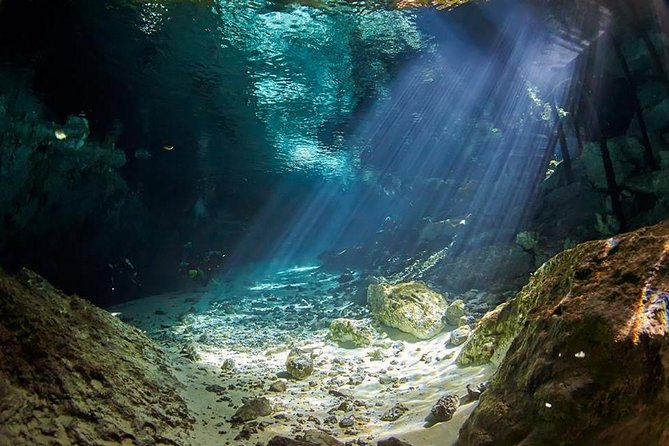
Curtain-of-light under crystal water. This Playa del Carmen cenote scuba trip pairs hotel pickup/drop-off with two different cenote underwater sessions chosen for strong morning sunlight effects. I like how the team keeps things straightforward with professional multilingual coaching from people like Andy, Sergey, and Evgenia. One consideration: you need proof of certification and you’ll complete a health questionnaire first, so it’s not a casual try-it-anytime activity.
You’ll start early (8:00 am) because the light matters down there. Expect clear freshwater, shifting light plays, and that special halocline feeling where water layers behave a little differently. I also like that the day includes pro gear (tanks, weights, belts) and comes in a tight max group of 15, which helps you get real attention instead of feeling rushed.
In This Review
- Key things I’d circle before booking
- Why the morning sunlight timing is the real star
- Price and timing: what $260 buys you (and what it doesn’t)
- Getting picked up in Playa del Carmen (and how the day starts)
- Cenote session 1: Chac Mool and Kukulkan for light beams and first-session comfort
- Cenote session 2: Ponderosa (Jardin del Eden) for mossy rocks and gentle swimming-pool vibes
- The Tajma Ha (Taj Majal) experience: open chambers under a bat-cave ceiling
- Gear and equipment: why included tanks, weights, and belts matter
- Safety reality check: certification, health form, and the flying timeline
- Who should book this cenote scuba outing
- Should you book it? My practical yes-or-wait guidance
- FAQ
- How long is the cenote scuba experience?
- How much does it cost?
- What’s included in the tour price?
- Do I need certification?
- What time does the tour start, and where is the meeting point?
- What’s the minimum age to participate?
- What is the cancellation policy?
Key things I’d circle before booking
- Morning timing for the sunlight effect: start at 8:00 am to catch the curtain of light.
- Two cenote experiences, four famous names: Chac Mool/Kukulkan plus Ponderosa/Jardin del Eden and Tajma Ha/Taj Majal.
- Full equipment included: tanks, weights, and belts are provided, so you travel light.
- Coaching that keeps you calm: instructors like Sergey and Liz focus on comfort and control (including neutral buoyancy).
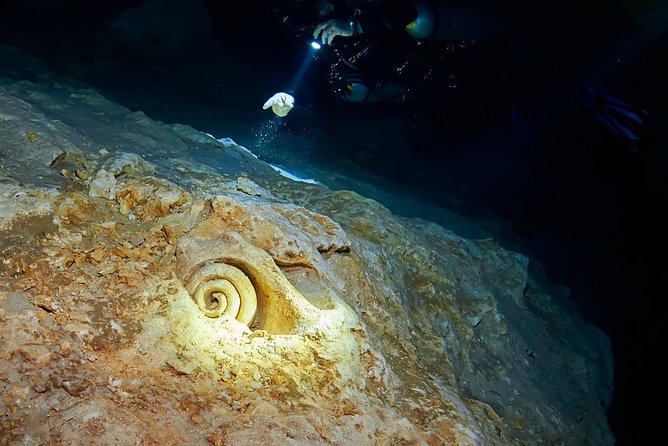
- Freshwater with lots of formations: fossils, stalactites, limestone chambers, and moss-covered rocks.
- Small-group feel: max 15 travelers, with hotel pickup across Playa del Carmen, Cancun, and Riviera Maya.
Cooler water underground, more Playa cenotes to pick from
- From Playa del Carmen ATV Adventure with Ziplines, Cenote★ 5.0 · 2,041 reviews
- Half-Day Sea Turtle and Cenote Snorkeling Tour from Cancun & Riviera Maya★ 5.0 · 2,039 reviews
- Playa del Carmen Buggy Tour with Cenote Swim and Mayan Village Visit★ 5.0 · 1,747 reviews
- Jungle Buggy Tour from Playa del Carmen Including Cenote Swim★ 5.0 · 1,253 reviews
Why the morning sunlight timing is the real star
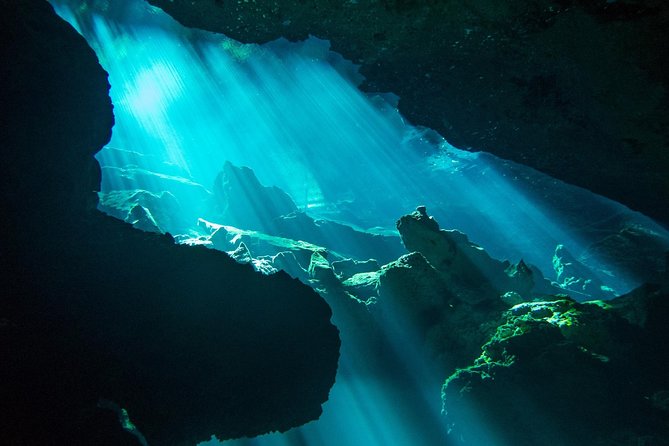
Cenotes can look gorgeous any time, but the difference shows up fastest in the morning. This tour is built around that idea: you begin at 8:00 am so you’re not wasting the best light on the drive. When you enter the water, the goal is to see strong, direct beams from the open ceiling areas—often described as a curtain of light—plus shifting patterns as you move through the water.
You’ll also get to experience halocline conditions in the cenotes listed on this route. In plain terms, that means you may notice the water behaves like it has visible layers, and the boundary can affect how light travels. It’s one of the reasons photos taken at the right time look dramatically different. On sunny days, the light plays can feel almost theatrical.
The other thing I appreciate is that the cenotes here aren’t just “pretty holes.” They’re chosen for different underwater moods: jungle views through openings, then open chambers with huge ceiling sections, then areas with big formations and fossils. That variety is what makes a short, 5-hour outing feel worth your whole day.
Price and timing: what $260 buys you (and what it doesn’t)
The price is $260 per person, and it’s easier to judge when you look at what’s included. You’re not just paying for the water time. The package covers:
- 2 underwater sessions in two different cenotes
- professional multilingual guidance
- all necessary equipment (tanks, weights, belts)
- hotel pickup and drop-off
- bottled water & snacks
- all fees and taxes
That matters because cenote days can get expensive fast once you add gear rental, local fees, and transport. Here, the built-in logistics help you avoid that “surprise checkout total” feeling.
Timing is also part of the value. The activity runs about 5 hours, which is a sweet spot when you want a real experience without losing your whole day to driving and long check-in queues.
Two things you should note: diving insurance is optional (not included), and you’ll need proof of certification to participate. If you don’t already have that, you may have to choose a different kind of program.
Getting picked up in Playa del Carmen (and how the day starts)
The day begins at Plaza Palmeiras, C. 11 Sur, Ejidal, 77712 Playa del Carmen, starting at 8:00 am. If your hotel is in Playa del Carmen, Cancun, or the Riviera Maya, you’ll get pickup from there, then you’ll end back at the same meeting point.
Practically, I like this setup because it keeps your morning simple. You don’t have to figure out parking or deal with multiple transfers. And with a maximum of 15 people, you’re more likely to get a focused briefing and fast gear fitting rather than standing around while the group grows.
At Diversland (your first stop), expect the usual early-day rhythm: check-in, equipment distribution, and a pre-session talk from the multilingual guide. Health questions are required before you go in the water, so plan to answer honestly and clearly. If you’ve ever felt that awkward “should I mention this?” moment in sports or water activities, this is exactly where you should speak up.
Cenote session 1: Chac Mool and Kukulkan for light beams and first-session comfort
This tour combines Chac Mool and Kukulkan as an ideal pair for early dives on the Yucatan Peninsula. That pairing is chosen because of the way sunlight can enter: morning light can produce strong, dramatic illumination down into the water, plus a view that can include jungle scenery from openings above.
What you can look forward to here is crystal-clear freshwater plus big natural features—cave walls with formations and fossils in the stone. Clear water matters in cenotes. When visibility is good, you can actually relax and notice what’s around you instead of spending the session working out buoyancy and sightlines.
As for wildlife, this first cenote isn’t described as the “animal show,” so don’t count on guaranteed sightings. The more consistent attraction is the structure: limestone shapes, open sections where the light hits, and the overall sense of being in an ancient stone space.
A small consideration: if you’re sensitive to bright light, you may want to keep your eyes adjusted when you surface or when you look upward toward openings. The light effects are a big part of the magic here.
More dives off the Riviera Maya


Cenote session 2: Ponderosa (Jardin del Eden) for mossy rocks and gentle swimming-pool vibes
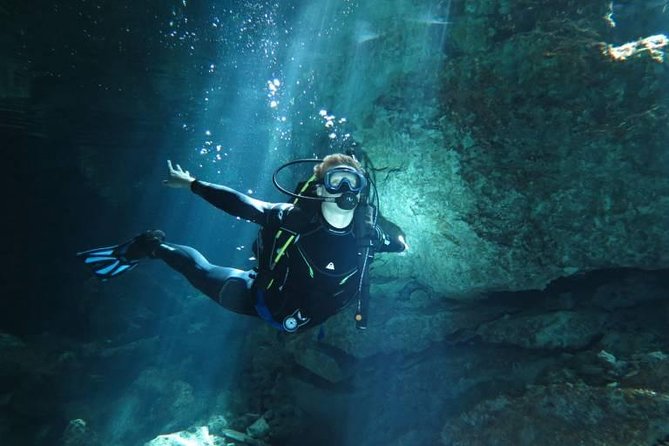
The second set is Ponderosa, also known as Jardin del Eden (Garden of Eden). This cenote is described as a natural swimming-pool style space with crystal-clear water. It also stands out for its flora and fauna—you may see different fish, turtles, and freshwater eels among large rocks that are covered in green moss.
That combination—clear water, moss-covered stone, and the chance of seeing wildlife—makes Ponderosa feel like the “nature” chapter of your trip. Even if you don’t see every animal type, the moss and rock structure create a high-interest environment. You’re not just chasing light beams; you’re also looking at textures and movement.
This is also the kind of place where a good guide approach matters. When a multilingual instructor coaches you well, you can keep your buoyancy steady and spend more time watching the scene instead of fighting your position. If neutral buoyancy has ever been a struggle for you, this is exactly where having coaching support helps.
If you’re the type who loves photography, Ponderosa is often where people get the most “wow” shots because the lighting can bounce off the rock surfaces. Keep your hands controlled and your fins gentle, so you’re not stirring silt and ruining visibility.
The Tajma Ha (Taj Majal) experience: open chambers under a bat-cave ceiling
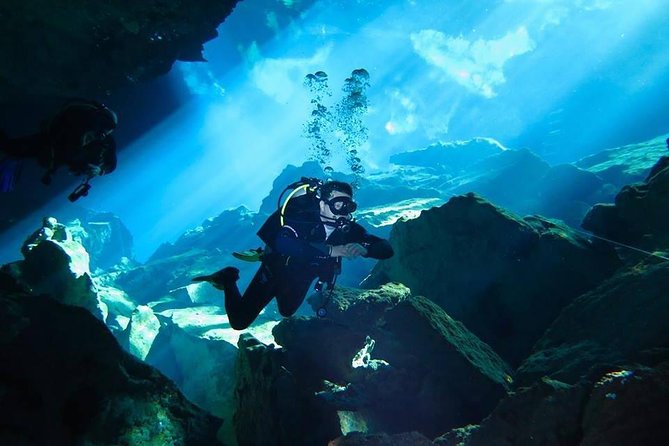
Next up is Tajma Ha, also called Taj Majal. Unlike the swimming-pool feel of Ponderosa, this cenote is described as a wide-open room underneath an air-filled bat cave. That open ceiling area is part of what makes the lighting so special: light streams in through holes above, which can create multiple bright zones inside the chamber.
Inside, you’ll see stalactites, limestone formations, and huge chambers that can feel palace-like, with rooms and corridors. It’s one of those settings where you stop thinking about the water and start thinking about scale. Even in a short visit, you can feel the difference between tight passages and large open spaces.
Because the lighting comes from above, it can change quickly as you move. That’s why halocline effects and light-play areas are highlighted for this route. On a sunny day, the contrast can look dramatic. If it’s overcast, you’ll still get beautiful stone and atmosphere, but the “laser light” effect may be softer.
The best way to enjoy Tajma Ha is to let the guide set the pace. If you rush, you’ll miss the slow-reveal feeling that makes this cenote special.
Gear and equipment: why included tanks, weights, and belts matter
You don’t bring your own setup here. The tour provides all necessary equipment, including tanks, weights, and belts. For most people, that’s the difference between showing up rested and showing up stressed.
In cenotes, equipment comfort can directly affect how much you enjoy the underwater space. A good fit for your weight system helps you maintain neutral buoyancy without constant adjustments. That’s especially important because cenotes can include light changes, different water-layer conditions, and varying ceiling distances.
The coaching support is also a real part of the value. People connected with this program have specifically praised instructors for patient guidance and calm instruction—Sergey is noted for organization and professionalism, while Liz is highlighted for helping someone work through neutral buoyancy confusion without turning it into a panic situation.
So if you’re practiced but want a confidence boost, you’ll appreciate the way the guides talk you through the key skills. If you’re newer, don’t assume your certification alone means you’ll instantly feel comfortable. A structured check-in and supportive guidance can make the whole experience smoother.
Safety reality check: certification, health form, and the flying timeline
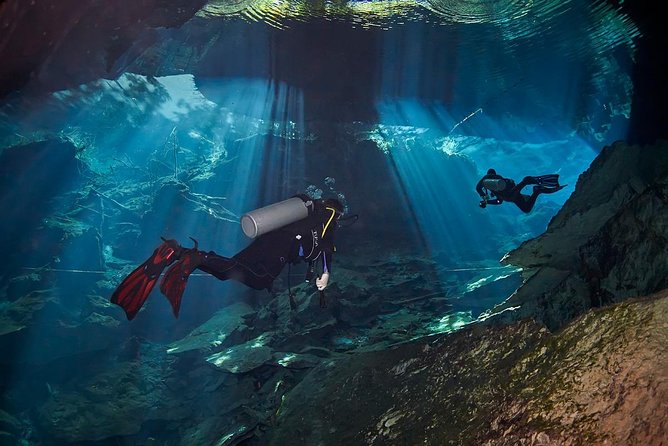
This is not a “no experience needed” activity. You’ll need evidence of Open Water Diver certification (or an analog). That requirement isn’t there to be fussy. It’s there so you can handle buoyancy and basic underwater safety procedures in a closed environment.
Before you go in, you’ll complete a health questionnaire. Certain conditions—like asthma or heart conditions—may prevent you from diving, so it’s worth asking your doctor if you’re unsure. Also, diving within 24 hours of flying is not recommended, which is a useful warning if you’ve got a flight connection right before your trip.
The good news: this outing is led by a professional multilingual guide and follows safe practices. The small group size (max 15) also makes it easier for staff to monitor everyone and respond if someone needs extra time or reassurance.
Who should book this cenote scuba outing
This tour is a strong fit if you:
- already have Open Water Diver certification
- want the morning sunlight effect and clear freshwater visibility
- like structured coaching and a professional, attentive team
- prefer small-group logistics with pickup included
- want two distinct cenote styles in about 5 hours
It’s less of a match if you’re looking for a beginner tryout without certification, or if you’re not comfortable completing a health questionnaire beforehand. Also, plan for the early start. If you’re a late-morning person, set an alarm and treat this like an actual activity, not a casual “later today” plan.
Minimum age is 15 years, so teens with certification can participate.
Should you book it? My practical yes-or-wait guidance
I’d book this outing if you want an efficient day that still feels like you got the best of the Yucatan cenote experience. The big strengths are clear: pickup/drop-off, full included equipment, and cenote selection focused on sunlight beams and light effects.
I’d wait or choose something else if you don’t have certification yet, if your medical situation makes you unsure about underwater participation, or if you want insurance built into the price.
If you do meet the requirements, this is one of those “small time commitment, high visual payoff” tours. The pairing of Chac Mool/Kukulkan with Ponderosa/Jardin del Eden and Tajma Ha/Taj Majal gives you both nature textures (moss, fish, turtles if you’re lucky) and big-stone cathedral scale under open ceilings.
FAQ
How long is the cenote scuba experience?
It’s about 5 hours (approx.).
How much does it cost?
The price is $260.00 per person.
What’s included in the tour price?
It includes hotel pickup and drop-off, all necessary equipment, a professional multilingual guide, 2 dives in 2 different cenotes, bottled water & snacks, and all fees and taxes.
Do I need certification?
Yes. You’ll need evidence of dive certification (Open Water Diver or an analog).
What time does the tour start, and where is the meeting point?
It starts at 8:00 am. The meeting point is Plaza Palmeiras, C. 11 Sur, Ejidal, 77712 Playa del Carmen, Q.R., Mexico.
What’s the minimum age to participate?
The minimum age is 15 years.
What is the cancellation policy?
Free cancellation is available up to 24 hours in advance for a full refund. If you cancel less than 24 hours before the start time, the amount paid isn’t refunded.
More Dives off the Riviera Maya
- Scuba Diving in Cenote Dos Ojos from Playa del Carmen
★ 5.0 · 453 reviews - Scuba Diving in Cenote Kukulkan from Playa del Carmen
★ 5.0 · 370 reviews - Discover Scuba Diving & Beach Club with Transportation In Riviera Maya
★ 5.0 · 239 reviews - PADI Discover Scuba Diving Program in the Riviera Maya
★ 5.0 · 67 reviews - PADI Discover Scuba Diving in Playa del Carmen
★ 4.5 · 61 reviews - Half-Day Scuba Diving in Playa del Carmen for Small-Group
★ 5.0 · 46 reviews
More Tour Reviews in Playa del Carmen
- From Playa del Carmen ATV Adventure with Ziplines, Cenote
★ 5.0 · 2,041 reviews - Half-Day Sea Turtle and Cenote Snorkeling Tour from Cancun & Riviera Maya
★ 5.0 · 2,039 reviews - VIP Chichen Itza Private Tour
★ 5.0 · 1,782 reviews - Playa del Carmen Buggy Tour with Cenote Swim and Mayan Village Visit
★ 5.0 · 1,747 reviews - Playa del Carmen Walking Food Tour
★ 5.0 · 1,274 reviews - Jungle Buggy Tour from Playa del Carmen Including Cenote Swim
★ 5.0 · 1,253 reviews
More Playa Cenotes Worth the Swim
- From Playa del Carmen ATV Adventure with Ziplines, Cenote
★ 5.0 · 2,041 reviews - Half-Day Sea Turtle and Cenote Snorkeling Tour from Cancun & Riviera Maya
★ 5.0 · 2,039 reviews - Playa del Carmen Buggy Tour with Cenote Swim and Mayan Village Visit
★ 5.0 · 1,747 reviews - Jungle Buggy Tour from Playa del Carmen Including Cenote Swim
★ 5.0 · 1,253 reviews - Hidden Cenote Swim: Snorkeling, Sea Turtles and Beachside Lunch
★ 5.0 · 1,222 reviews - Full Day Tulum Ruins Tour Cenote and Swimming with Sea Turtles
★ 5.0 · 1,171 reviews
Just Added: Fresh Playa del Carmen Reviews


Cenote Swims near Playa, compared.
 ★ 5.0Chichen Itza, Cenote and Valladolid Small Group Day TripFrom $2142,104 reviews
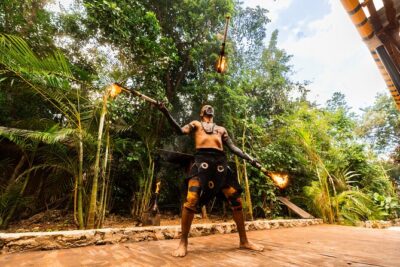 ★ 5.0From Playa del Carmen ATV Adventure with Ziplines, CenoteFrom $492,041 reviews
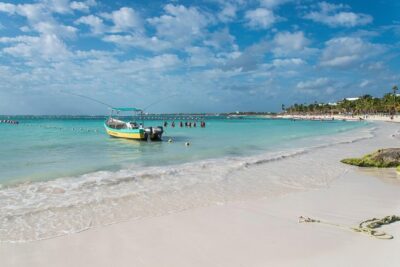 ★ 5.0Half-Day Sea Turtle and Cenote Snorkeling Tour from Cancun & Riviera MayaFrom $992,039 reviews
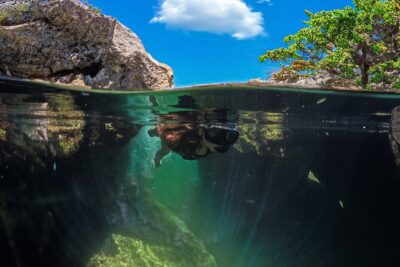 ★ 5.0Tulum Guided Tour, Magical Cenote, Lagoon Snorkeling and Beachside LunchFrom $1691,888 reviews
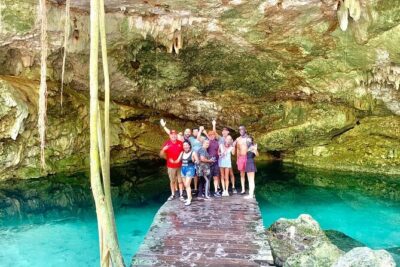 ★ 5.0Playa del Carmen Buggy Tour with Cenote Swim and Mayan Village VisitFrom $991,747 reviews
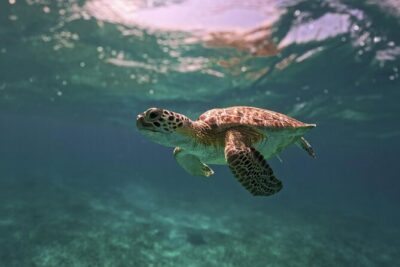 ★ 5.0Tulum Ruins, Turtles in Akumal and Cenote tourFrom $1291,706 reviews
 ★ 5.0Jungle Buggy Tour from Playa del Carmen Including Cenote SwimFrom $1101,253 reviews
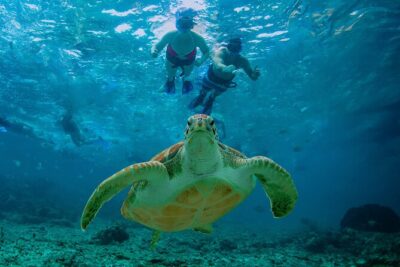 ★ 5.0Hidden Cenote Swim: Snorkeling, Sea Turtles and Beachside LunchFrom $1691,222 reviews
Browse the lists this tour appears in