
Reviewed · CENOTE SWIMS NEAR PLAYA
Cenotes diving Dos Ojos and The Bat Cave
This underwater cenote pair is a contrast factory: bright rooms, then total cave mood. You’ll go from the Dos Ojos system to The Bat Cave, with time for snacks and a guide team that keeps things structured.
I like two things most: the setup is beginner-friendly because the water is clear and the routes are guided, and the whole day has that practical rhythm of briefing, an easy schedule between sessions, then time to rest. One thing to consider: you’ll need the right SCUBA certification (Open Water Diver PADI or equivalent) to do the certified underwater sessions, plus your health form can rule out certain medical conditions.
In This Review
- Key Takeaways Before You Go
- A morning pickup to two cenotes of very different moods
- Dos Ojos: Barbie line brightness versus Bat Cave shadows
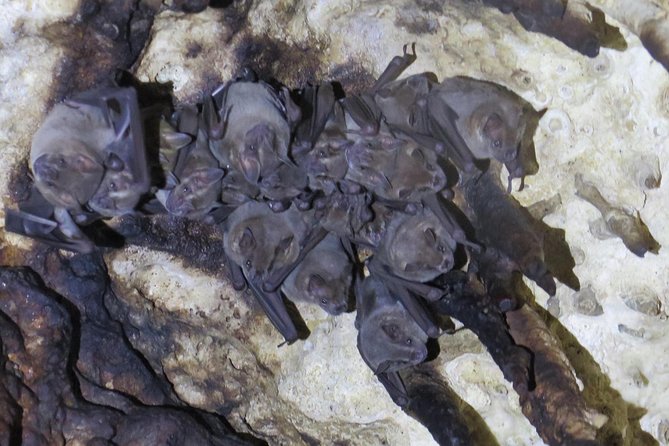
- The Bat Cave cenote and the bat-friendly air chamber
- Gear, instruction, and the certification reality check
- Price and value for a $210-per-person cenote day
- Dos Ojos to Bat Cave timing: what the 5 hours feels like
- Who should book this cenote SCUBA day
- Packing and small practical tips that save your day
- Should you book Cenotes Scuba Dos Ojos and The Bat Cave?
- FAQ
- What’s included in the price?
- Do I need SCUBA certification?
- What if someone in my group doesn’t want to do the certified underwater sessions?
- Is equipment rental included?
- What’s the minimum age?
- Can I cancel and get a full refund?
Key Takeaways Before You Go
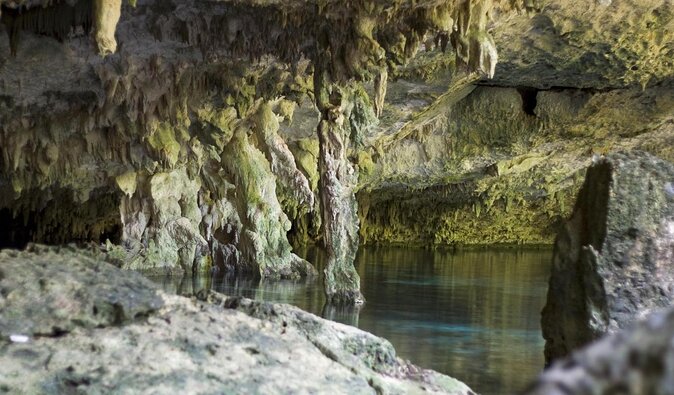
- Dos Ojos has two distinct vibes: the bright Barbie line and the darker Bat Cave route
- The Bat Cave experience centers on flying bats inside an air-filled area you’ll ascend to see
- Two different cenotes = two different underwater scenes with 2 tanks and provided weights
- Snorkeling is an option if someone in your group doesn’t want the certified underwater part
- Pickup is built in from Playa del Carmen center and Playacar, starting at 8:00 am
Cooler water underground, more Playa cenotes to pick from
- From Playa del Carmen ATV Adventure with Ziplines, Cenote★ 5.0 · 2,041 reviews
- Half-Day Sea Turtle and Cenote Snorkeling Tour from Cancun & Riviera Maya★ 5.0 · 2,039 reviews
- Playa del Carmen Buggy Tour with Cenote Swim and Mayan Village Visit★ 5.0 · 1,747 reviews
- Jungle Buggy Tour from Playa del Carmen Including Cenote Swim★ 5.0 · 1,253 reviews
A morning pickup to two cenotes of very different moods
If you want one day in Playa del Carmen that feels like two vacations, this is the way to do it. You start early, with hotel pickup, and you end back at the same meeting point, Plaza Palmeiras in Playa del Carmen.
The day is built around two cenotes and two underwater sessions, which matters because it keeps your time from turning into one long, repetitive swim. You also get bottled water and snacks, which is not glamorous, but it’s the kind of detail that keeps energy up when you’re changing levels underwater.
I also appreciate the tone of the operation: it’s not a hand-wavy tour. You get a proper multilingual guide team and required health screening before you get gear and enter the water.
One more practical point: this is a private tour/activity for your group. That usually means less waiting around for other groups to shuffle through, and more time for your instructor to keep your pace comfortable.
Dos Ojos: Barbie line brightness versus Bat Cave shadows
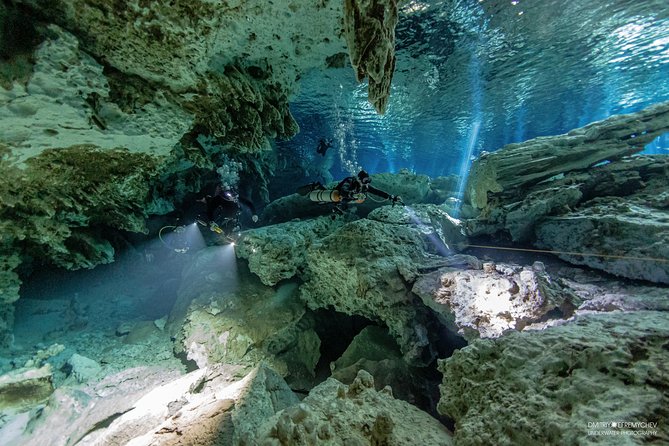
Dos Ojos is named for two connected caverns, and the geometry is the point. You effectively get two looks from one system: one path that’s strongly lit and open-feeling, and another that becomes a darker, tunnel-like crawl through cave country.
The Barbie line is the bright zone. Expect lots of light, plenty of space around huge stalactites and columns, and those slow, million-years-took-their-time formations that make you look down like you’re in a museum. It’s the part where the cenote feels more spacious and less cave-tight.
Then there’s the Bat Cave line, which flips the mood. Some parts have low light, and you move through tunnels and rooms that feel more cave-like. The route leads around an air-filled bat cave area, and at the right moment you ascend to see the bats and the decorations.
What I like about Dos Ojos for real-world divers (and first-timers too, when they’re properly briefed) is the contrast. You’re not just staring at “pretty rocks.” You’re moving between lighting styles and spatial flow, so your brain stays engaged and you’re never stuck in one repetitive sensory pattern.
If you’re the sort of person who needs to know how hard something will feel, the key is this: the tour is set up so newer or less experienced SCUBA participants can still have an appropriate experience thanks to the clear, shallow-leaning nature of cenotes. Your instructor will set the pace and the exact route details based on conditions.
The Bat Cave cenote and the bat-friendly air chamber
The second stop is the one that gives the whole day its name. The Bat Cave cenote is where the emphasis shifts more clearly to the bat area—an air-filled space within the cave system.
Inside, you’re there for the same core “cenote magic,” meaning the stalactites and stalagmites, plus those dark-water cave visuals that look completely different from the bright open-water world. But the headline is what you can see when you ascend: flying bats and the cave décor around the air chamber.
This matters because bats change the whole feel of the experience. It’s not just a scenic underwater room; it’s a living cave environment where you’re watching nature’s rhythm, not an aquarium scene. You’ll also feel a bit more like you’re in a cave than in a classic open snorkeling spot, even though you’re still guided and supported.
One practical consideration: cave lighting can make it harder to read gauges or see small hand signals at first. That’s normal. Your guide’s briefing beforehand is what keeps it smooth, so pay attention to the instructions even if you already know how cenotes work.
Gear, instruction, and the certification reality check
Let’s talk about the rule that governs your whole day: you need evidence of SCUBA certification for anyone doing the certified underwater sessions. Open Water Diver PADI or an equivalent certification is required.
That requirement isn’t there to be annoying. It’s how the tour balances two goals: keeping the water-based experience safe while still making cenotes accessible to less experienced participants. Cenotes can be forgiving in visibility, but they’re still caves, and cave environments demand solid basic control.
Also pay attention to the health questionnaire requirement. Some conditions—asthma and heart conditions are explicitly mentioned—may prevent you from participating. If you have any doubt, ask your doctor first and be ready to bring the right medical information when filling out the questionnaire.
The good news is that the instruction staff is part of what earns the highest praise. Names that have shown up in the company’s reputation include Patrick as a guide, Ana handling logistics and planning, Dima bringing both humor and strong technical knowledge, and Elana known for patient refresher coaching. If you’re the kind of diver who needs clear steps and reassurance, that’s a very promising mix.
For groups and families, you may get your own private instructor. That’s a big deal in a cave-style environment because it reduces the chance you get swept into someone else’s pace.
If you don’t want the certified underwater part, snorkeling inside a cenote is offered. That’s a real option if you’re traveling with a mix of confidence levels, or if someone in your group wants the formations without the SCUBA requirement.
Down into the caverns, other dives near Playa
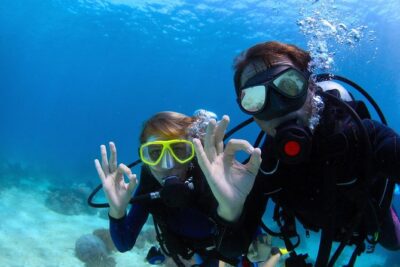
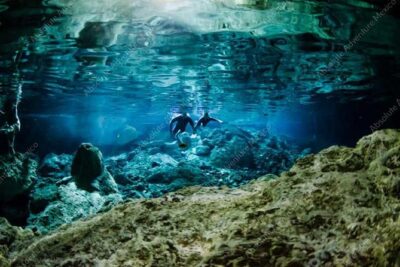
Price and value for a $210-per-person cenote day
At $210 per person for roughly 5 hours, the value comes from what’s included rather than from the sticker price. You get hotel pickup and drop-off in Playa del Carmen center and Playacar, plus two tanks and the standard weights and belt.
You also get bottled water and snacks, which helps you last through early start timing and the effort of changing between sessions. And the price covers all fees and taxes, so you’re not guessing what “extras” will appear later.
Equipment rental is the most obvious cost you might add: it’s listed at $15/day if you need to rent gear. Diving insurance is also optional, which can matter depending on your existing coverage. If you already have an insurance plan that covers SCUBA in Mexico, you may be fine skipping the add-on.
Here’s how I’d judge value for your specific situation. If you need pickup, don’t want to manage logistics, and want a guided day through two cenotes, the price starts looking fair fast. If you already live nearby, have your own gear, and have the confidence to self-coordinate, you could argue for alternatives. But most people don’t come to Playa del Carmen wanting to solve transportation and safety logistics alone.
Also, group discounts and mobile ticket support add a bit of convenience. The private tour setup is also a quiet value booster because you tend to lose less time to crowd management.
Dos Ojos to Bat Cave timing: what the 5 hours feels like
The tour starts at 8:00 am at Plaza Palmeiras on C. 11 Sur. From there, expect a structured day: pickup, paperwork and health checks, gear setup, then underwater sessions with a break in between.
The pacing includes time to rest and enjoy snacks between sessions. That break is not just for comfort; it gives you a mental reset. In cave-style environments, even when conditions are calm, your attention gets sharper. Resting between sessions helps you keep your buoyancy and calm under control.
You’ll also get a proper briefing before you enter the water. You’ll want to treat that briefing like part of the experience, not a formality. Good briefings make your first minutes in the water feel easy rather than confusing.
One more detail that matters for timing and safety: flying and SCUBA don’t mix on a short turnaround. The tour data says diving within 24 hours of flying is not recommended. If your travel pattern includes a flight the day before, plan extra buffer time.
Who should book this cenote SCUBA day
This tour fits best if you want guided structure in a cave environment and you’re comfortable meeting the certification and health requirements. Because the waters are clear and the cenote environment can be more beginner-friendly than other marine settings, it’s a strong choice for divers who want a step up from pool confidence without making the day overly advanced.
It also works well for mixed groups. Snorkeling is offered for people who don’t want the certified underwater part, and the private instructor setup can keep things calmer for families.
The main “no” or “pause” signals are medical limitations, missing SCUBA certification, and the flight timing rule. If any of those apply, you’ll need to adjust your plan.
Minimum age is 15 for cenotes diving, so it’s not a kid-anytime activity. If you’re traveling with teens who are ready for SCUBA basics, this can be a memorable way to experience formations and bat-filled cave visuals.
If you’re someone who dislikes early mornings, the 8:00 am start might feel like a trade-off. But the payoff is that you get the day done and back to your meeting point within about 5 hours.
Packing and small practical tips that save your day
Cenotes are cooler than you might expect, and cave environments can feel like a different weather system compared to Playa del Carmen streets. Bring swimwear that dries easily, and pack a change of clothes in a sealed bag so you’re not dealing with wet gear later.
If you need equipment rental, you’ll handle that through the tour setup, but it still helps to bring your own basics if you have them. Confirm what you’re renting versus using because the included items cover tanks, weights, and belt, not personal gear.
Also, bring a simple mindset: cenotes are about following cues and moving at a controlled pace. This isn’t a free-for-all swim. When you listen to your guide and stick to the plan, everything feels smoother.
Finally, don’t underestimate snacks and hydration. Bottled water and snacks are included, but I still suggest you eat something beforehand if you can. Early start + underwater effort makes a quick difference.
Should you book Cenotes Scuba Dos Ojos and The Bat Cave?
Book it if you want two very different cenote environments in one morning-to-afternoon format: bright formations at Dos Ojos, then the darker cave feeling and the bat-focused experience at The Bat Cave. At $210 per person with pickup, tanks, and gear basics handled, it’s a solid value for people who want safety structure and real guided time in the water.
Skip or rethink it if you don’t have the required SCUBA certification for certified underwater sessions, if your health questionnaire is likely to be an issue, or if you flew within the last 24 hours. Also be honest about the early 8:00 am start.
If your group includes non-SCUBA participants, snorkeling being offered makes this easier to justify. This is the kind of day that turns a single cenote stop into a whole story, with bats as the kind of wildlife moment you remember long after you’ve left the cave.
FAQ
What’s included in the price?
The tour price includes hotel pickup in Playa del Carmen center and Playacar, bottled water and snacks, 2 tanks, weights and belt, a professional multilingual guide, and all fees and taxes. It also includes 2 underwater sessions in 2 different cenotes.
Do I need SCUBA certification?
Yes. Evidence of SCUBA certification is required for anyone participating in the certified underwater sessions, such as Open Water Diver PADI or an equivalent.
What if someone in my group doesn’t want to do the certified underwater sessions?
If you don’t do the certified underwater portion, snorkeling in a cenote is offered.
Is equipment rental included?
Equipment rental is not included. Equipment rental is available for $15/day.
What’s the minimum age?
The minimum age for cenotes diving is 15 years.
Can I cancel and get a full refund?
Yes. You can cancel up to 24 hours in advance for a full refund. If you cancel less than 24 hours before the experience starts, the amount paid will not be refunded.
More Tour Reviews in Playa del Carmen
- From Playa del Carmen ATV Adventure with Ziplines, Cenote
★ 5.0 · 2,041 reviews - Half-Day Sea Turtle and Cenote Snorkeling Tour from Cancun & Riviera Maya
★ 5.0 · 2,039 reviews - VIP Chichen Itza Private Tour
★ 5.0 · 1,782 reviews - Playa del Carmen Buggy Tour with Cenote Swim and Mayan Village Visit
★ 5.0 · 1,747 reviews - Playa del Carmen Walking Food Tour
★ 5.0 · 1,274 reviews - Jungle Buggy Tour from Playa del Carmen Including Cenote Swim
★ 5.0 · 1,253 reviews
Into the Caverns: More Cenote Dives
- Scuba Diving in Cenote Dos Ojos from Playa del Carmen
★ 5.0 · 453 reviews - Scuba Diving in Cenote Kukulkan from Playa del Carmen
★ 5.0 · 370 reviews - Cenote Cavern Tour and Swim with Sea Turtles in Akumal
★ 4.5 · 256 reviews - Discover Scuba Diving & Beach Club with Transportation In Riviera Maya
★ 5.0 · 239 reviews - Dos Ojos Cenote VIP Private Tour – Snorkeling & Mayan Lunch
★ 5.0 · 125 reviews - PADI Discover Scuba Diving Program in the Riviera Maya
★ 5.0 · 67 reviews
More Playa Cenotes Worth the Swim
- From Playa del Carmen ATV Adventure with Ziplines, Cenote
★ 5.0 · 2,041 reviews - Half-Day Sea Turtle and Cenote Snorkeling Tour from Cancun & Riviera Maya
★ 5.0 · 2,039 reviews - Playa del Carmen Buggy Tour with Cenote Swim and Mayan Village Visit
★ 5.0 · 1,747 reviews - Jungle Buggy Tour from Playa del Carmen Including Cenote Swim
★ 5.0 · 1,253 reviews - Hidden Cenote Swim: Snorkeling, Sea Turtles and Beachside Lunch
★ 5.0 · 1,222 reviews - Full Day Tulum Ruins Tour Cenote and Swimming with Sea Turtles
★ 5.0 · 1,171 reviews
Just Added: Fresh Playa del Carmen Reviews


Cenote Swims near Playa, compared.
 ★ 5.0Chichen Itza, Cenote and Valladolid Small Group Day TripFrom $2142,104 reviews
 ★ 5.0From Playa del Carmen ATV Adventure with Ziplines, CenoteFrom $492,041 reviews
 ★ 5.0Half-Day Sea Turtle and Cenote Snorkeling Tour from Cancun & Riviera MayaFrom $992,039 reviews
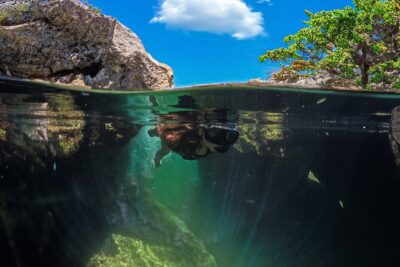 ★ 5.0Tulum Guided Tour, Magical Cenote, Lagoon Snorkeling and Beachside LunchFrom $1691,888 reviews
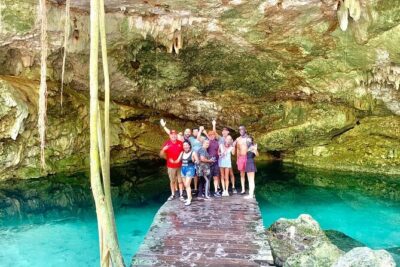 ★ 5.0Playa del Carmen Buggy Tour with Cenote Swim and Mayan Village VisitFrom $991,747 reviews
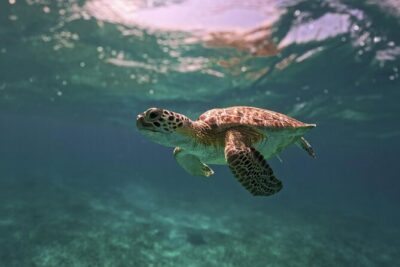 ★ 5.0Tulum Ruins, Turtles in Akumal and Cenote tourFrom $1291,706 reviews
 ★ 5.0Jungle Buggy Tour from Playa del Carmen Including Cenote SwimFrom $1101,253 reviews
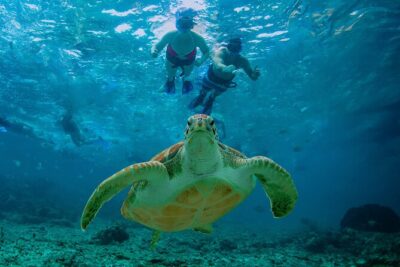 ★ 5.0Hidden Cenote Swim: Snorkeling, Sea Turtles and Beachside LunchFrom $1691,222 reviews
Browse the lists this tour appears in