
Reviewed · CENOTE SWIMS NEAR PLAYA
3 days diving in cenotes for certified divers
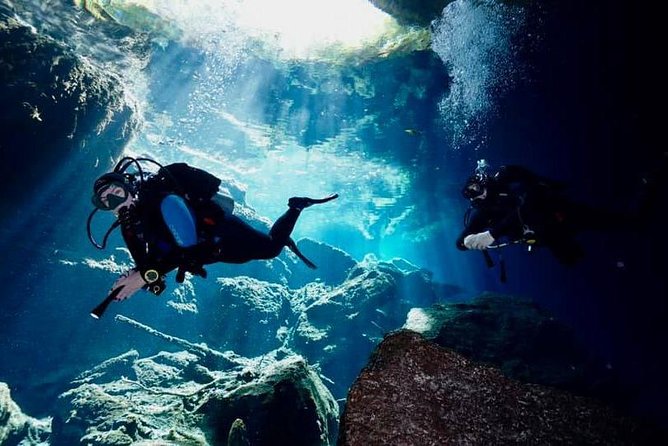
A cenote is not your usual underwater stop.
In 3 days, you’ll do a new cenote each day, guided by a cavern specialist so you can focus on what matters: seeing the formations up close.
What I like most is the small-group feel and how guide-led it is. You get names like Sergey and Malay showing up in real-world service stories, plus the team has a family-run vibe that makes communication easy across languages like English and Spanish (and even Russian and Latvian, depending on who’s guiding).
The main thing to consider is that this is strictly for certified divers, and the tour doesn’t include scuba equipment or an underwater light. If you’re missing gear or you’re prone to getting cold, plan ahead.
In This Review
- Key highlights you’ll actually care about
- Cenote scuba for certified divers: what you’re signing up for
- Price and value of a 3-day cenote plan at $540
- 7:00 am pickup, small group size, and your first safety setup
- How the cavern guide shapes each cenote session
- Day 1: your first cenote and easing into the rhythm
- Day 2 and Day 3: why new cenotes change the whole trip
- Between sessions: snacks, water, and staying functional
- What’s included, what’s extra, and what to bring
- Who should book this 3-day cenote scuba program
- Should you book this 3-day cenote scuba program?
- FAQ
- Is this tour only for certified divers?
- What is included in the $540 price?
- What scuba items are not included?
- Where is the meeting point and what time does it start?
- Is hotel pickup available?
- Are there health or timing restrictions before diving?
- What happens if the weather is bad?
Key highlights you’ll actually care about
- Certified-diver only: no training wheels, just guided cavern sessions.
- New cenotes each day: variety beats repeating the same water.
- Small group max of 4: you’re less likely to feel rushed.
- Tanks and weights included: fewer rental headaches.
- Entrance fees and taxes covered: the price feels less like a base fee.
- Experienced cavern guide: a big deal in enclosed-water environments.
Cooler water underground, more Playa cenotes to pick from
- From Playa del Carmen ATV Adventure with Ziplines, Cenote★ 5.0 · 2,041 reviews
- Half-Day Sea Turtle and Cenote Snorkeling Tour from Cancun & Riviera Maya★ 5.0 · 2,039 reviews
- Playa del Carmen Buggy Tour with Cenote Swim and Mayan Village Visit★ 5.0 · 1,747 reviews
- Jungle Buggy Tour from Playa del Carmen Including Cenote Swim★ 5.0 · 1,253 reviews
Cenote scuba for certified divers: what you’re signing up for
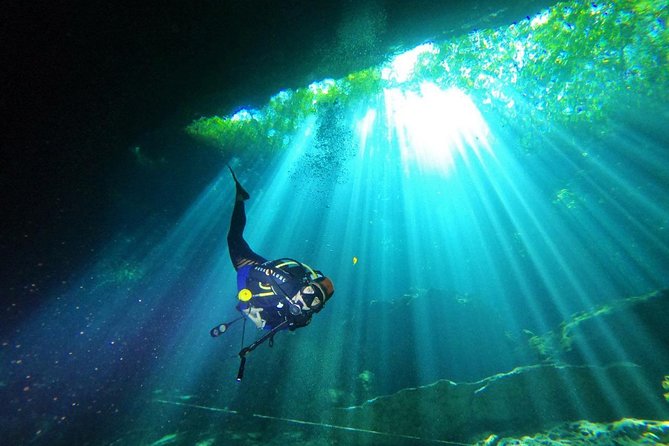
This 3-day cenote program is built for people who already have the certification and comfort level to handle a guided cavern-style experience. In plain terms, you’re not here to learn scuba basics. You’re here to enjoy the underwater geology in a structured, safety-minded way.
The “every day in a new cenote” part is more important than it sounds. Cenotes can feel similar on a map, but the underwater experience changes with each site—lighting, entry/exit flow, and the way formations present themselves. Having a guide pick and lead the route means you spend your energy on good buoyancy and good sightlines, not on logistics.
Also, this is an operator that runs with a close-knit, local feel. One guide story highlights a team approach where communication can happen in multiple languages (English and Spanish, plus others). You’ll benefit if you like clear briefings and calm, direct answers when you have questions.
Price and value of a 3-day cenote plan at $540
At $540 per person for about 3 days, the real question is what’s inside the total. This isn’t just “transport to a site.” Your price includes entrance fees, an experienced cavern guide, and essentials like tanks and weights, plus snacks and bottled water.
That matters because cenote access can add up fast, and guided cavern work isn’t cheap. Many DIY-style trips end up more expensive once you add site fees, proper gear needs, and the cost of paying someone to safely manage the underwater plan.
What you should treat as “extra cost risk”:
- Scuba equipment use isn’t included (and underwater light isn’t included either).
- Photo/video can be ordered for an extra fee.
So if you already own most gear and you’re comfortable bringing your own setup, this can feel like good value. If you need to rent everything on short notice, your final spend may jump—so confirm what equipment you’ll need before you pay.
7:00 am pickup, small group size, and your first safety setup
The day starts early. The activity start time is 7:00 am, and pickup is offered for certain areas. The meeting point is listed at Zero Gravity on Carretera Federal Chetumal Km 269.5, Juárez, 77733 Puerto Aventuras, Q.R. The tour also ends back at the meeting point.
Why that matters: cenotes can get crowded, and early starts help keep the schedule smooth. Also, enclosed-water days go better when you’re not scrambling. You’ll want your gear ready, your medical check handled, and your head in the right place.
The group size is capped at 4 travelers. That’s a practical advantage. Smaller groups tend to mean more time for briefings, fewer waits between steps, and easier personal help if you need it.
You’ll also complete a health questionnaire before diving. That’s not a formality you should ignore. If you have medical conditions like asthma or heart conditions, the tour notes that some conditions may prevent you from diving, so talk to your doctor beforehand.
How the cavern guide shapes each cenote session
The tour’s backbone is the experienced cavern guide. In cenotes, conditions and routes aren’t something you want to wing. A cavern-focused guide helps set expectations so you can move efficiently underwater and maintain good control.
In real service stories tied to this operator, there’s a pattern of guide communication that goes beyond “follow me.” One guide—Sergey—gets described as doing proper preps and briefings and keeping things organized all the way through. Another guide—Malay—is noted for being on time, friendly, and safety-minded, with fun local context and thoughtful service intervals.
That matters because you’re not just paying for a route. You’re paying for:
- clearer instructions before you enter the water
- a smoother pace during the session
- quick help if conditions or your comfort level changes
If you like knowing what you’re looking at, this type of guide interaction can turn a routine scuba outing into a memorable learning experience.
Down into the caverns, other dives near Playa
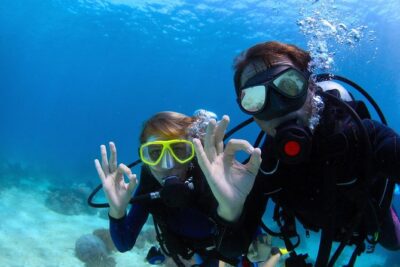
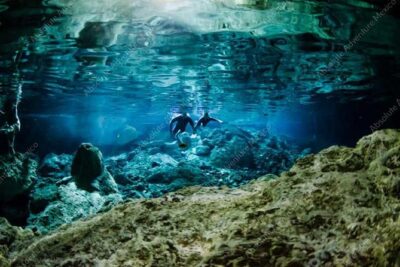
Day 1: your first cenote and easing into the rhythm
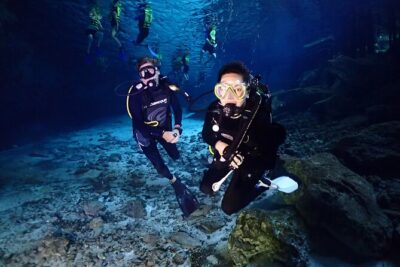
Day 1 is about settling in and matching your pace to the group. You’ll dive in one cenote on the first day, with entrance fees and the guide already handled, plus snacks and bottled water as downtime support between sessions.
Even without knowing the exact site name for your specific departure, you can expect the day to follow a practical flow:
- meet early and get organized
- complete any required checks
- get briefed for the cavern-style conditions
- start with a structured underwater session
What you’ll likely notice immediately is that cenotes reward calm. Your job is buoyancy control and awareness—paying attention to the formations, the entry/exit plan, and your team. If you’re the type who gets anxious in enclosed spaces, start by focusing on breathing and maintaining neutral control. The guide will handle the route thinking.
If your plan includes popular regional sites mentioned in past experiences—like El Pit, Dos Ojos, or Angelita—you’ll find that each has a different feel. Still, your first day is the one that sets your mindset for the rest of the trip.
Day 2 and Day 3: why new cenotes change the whole trip
On Days 2 and 3, the big upgrade is repetition with variety. You’re not stuck re-doing the same underwater scene. You’ll dive each day in a new cenote, which changes what you see and how you interpret what’s around you.
Here’s why that’s worth it:
- You avoid visual burnout. Cenotes are special, but repeating the same site too often can flatten the experience.
- You get better comparisons. Different sites can highlight different rock textures, flow patterns, and how light behaves underwater.
- You get more total time with a guide’s expertise, not just one “hit and run” session.
Practical tip: pace yourself between days. Cenote scuba is physically and mentally focused. If you overdo it on shore (late nights, heavy meals, alcohol), it shows up when you’re gearing up.
Also remember what’s not included. If you like specific lighting effects or you’ve learned from past cavern work that you prefer your own underwater light, plan for that now. The tour notes that an underwater light is not included, which is a reminder that you may want your preferred setup.
Between sessions: snacks, water, and staying functional
This tour includes snacks and bottled water. That sounds basic, but it matters across a 3-day schedule. You’re spending energy gearing up, traveling between points, and moving underwater with focused attention. Simple, consistent fuel keeps you from feeling flat halfway through the day.
One guide-focused story also mentions home made food during service intervals with Malay. That’s not listed in the standard included items, so treat it as a possible bonus rather than a guarantee. Either way, the point stands: well-timed food helps your comfort and buoyancy control later.
What to do on your side:
- hydrate early, not just during breaks
- keep snacks easy to digest
- if you get motion-sick, consider taking precautions before starting the day
The goal is a clear head when you hit the water.
What’s included, what’s extra, and what to bring
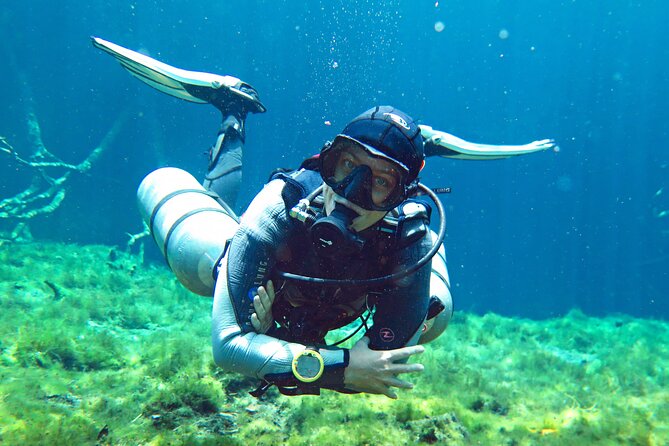
Included:
- Bottled water
- Snacks
- All fees and taxes
- Tanks and weights
- An experienced cavern guide (and entrance fees are part of the plan)
- Hotel pickup/drop-off for certain areas
- Mobile ticket, English offered
Not included:
- Scuba equipment use
- Underwater light
- Photo and video (available for an extra fee)
This is where you should do a quick checklist before booking:
- If you don’t own your own scuba gear, confirm what you need and whether rentals are arranged separately.
- If you rely on a light for your preferred visibility style, bring one. Since it isn’t included, don’t assume it’ll be there.
- If you want underwater media, decide in advance. Photo/video costs extra, so give yourself time to plan how many shots you’ll want.
In enclosed-water experiences, being prepared beats improvising. The smoother your setup, the more you can enjoy the actual cenote part.
Who should book this 3-day cenote scuba program
This is a strong fit if:
- you are a certified diver and want guided cavern-style outings
- you prefer small groups and clearer direction
- you like structured days where someone else handles entrance fees and site access
It’s also a good choice if language matters to you. Past interactions with guides connected to this operator have included communication in English and Spanish, plus additional languages depending on who’s working.
You might want to skip (or at least postpone) if:
- you aren’t fully comfortable with enclosed-water diving
- you’re missing key gear and don’t want to sort rentals at the last minute
- you have medical conditions that might prevent diving, or you’re unsure—because the tour uses a health questionnaire and asks you to consult a doctor when needed
One more scheduling note: diving within 24 hours of flying is not recommended. So if your trip includes a tight connection, build in a buffer day when possible.
Should you book this 3-day cenote scuba program?
I’d book it if you want a guided, small-group cenote schedule with tanks/weights covered and entrance fees handled, and you already have the certification and gear plan sorted. The guide-led nature—plus the sense of a family-run operation with guides like Sergey and Malay—sounds like exactly what you want when the water environment is serious.
I wouldn’t book it if you’re hoping for an all-in-one scuba rental package. Since scuba equipment use and an underwater light aren’t included, you’ll want to confirm your own needs first so the final cost doesn’t surprise you.
If you’re certified and prepared, this looks like a practical way to see multiple cenotes in a tight 3-day window without turning your vacation into a logistics project.
FAQ
Is this tour only for certified divers?
Yes. This activity is for certified divers only, and you’ll also complete a health questionnaire prior to diving.
What is included in the $540 price?
The tour includes entrance fees, an experienced cavern guide, snacks, bottled water, hotel pickup/drop-off for certain areas, and tanks and weights. It also includes all fees and taxes.
What scuba items are not included?
Scuba equipment use is not included, and an underwater light is also not included. Photo and video can be ordered for an extra fee.
Where is the meeting point and what time does it start?
The start meeting point is Zero Gravity, Carretera Federal Chetumal Km 269.5, Juárez, 77733 Puerto Aventuras, Q.R., Mexico, with a start time of 7:00 am. The activity ends back at the meeting point.
Is hotel pickup available?
Pickup is offered, and hotel pickup and drop-off is included for certain areas.
Are there health or timing restrictions before diving?
Yes. Diving within 24 hours of flying is not recommended. You’ll need to complete a health questionnaire, and certain pre-existing medical conditions (like asthma or heart conditions) may prevent you from diving.
What happens if the weather is bad?
This experience requires good weather. If canceled due to poor weather, you’ll be offered a different date or a full refund. You can cancel for free up to 24 hours in advance of the start time.
More Tour Reviews in Playa del Carmen
- From Playa del Carmen ATV Adventure with Ziplines, Cenote
★ 5.0 · 2,041 reviews - Half-Day Sea Turtle and Cenote Snorkeling Tour from Cancun & Riviera Maya
★ 5.0 · 2,039 reviews - VIP Chichen Itza Private Tour
★ 5.0 · 1,782 reviews - Playa del Carmen Buggy Tour with Cenote Swim and Mayan Village Visit
★ 5.0 · 1,747 reviews - Playa del Carmen Walking Food Tour
★ 5.0 · 1,274 reviews - Jungle Buggy Tour from Playa del Carmen Including Cenote Swim
★ 5.0 · 1,253 reviews
Into the Caverns: More Cenote Dives
- Scuba Diving in Cenote Dos Ojos from Playa del Carmen
★ 5.0 · 453 reviews - Scuba Diving in Cenote Kukulkan from Playa del Carmen
★ 5.0 · 370 reviews - Cenote Cavern Tour and Swim with Sea Turtles in Akumal
★ 4.5 · 256 reviews - Discover Scuba Diving & Beach Club with Transportation In Riviera Maya
★ 5.0 · 239 reviews - Dos Ojos Cenote VIP Private Tour – Snorkeling & Mayan Lunch
★ 5.0 · 125 reviews - PADI Discover Scuba Diving Program in the Riviera Maya
★ 5.0 · 67 reviews
More Playa Cenotes Worth the Swim
- From Playa del Carmen ATV Adventure with Ziplines, Cenote
★ 5.0 · 2,041 reviews - Half-Day Sea Turtle and Cenote Snorkeling Tour from Cancun & Riviera Maya
★ 5.0 · 2,039 reviews - Playa del Carmen Buggy Tour with Cenote Swim and Mayan Village Visit
★ 5.0 · 1,747 reviews - Jungle Buggy Tour from Playa del Carmen Including Cenote Swim
★ 5.0 · 1,253 reviews - Hidden Cenote Swim: Snorkeling, Sea Turtles and Beachside Lunch
★ 5.0 · 1,222 reviews - Full Day Tulum Ruins Tour Cenote and Swimming with Sea Turtles
★ 5.0 · 1,171 reviews
Just Added: Fresh Playa del Carmen Reviews
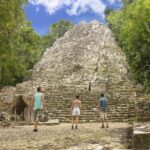


Cenote Swims near Playa, compared.
 ★ 5.0Chichen Itza, Cenote and Valladolid Small Group Day TripFrom $2142,104 reviews
 ★ 5.0From Playa del Carmen ATV Adventure with Ziplines, CenoteFrom $492,041 reviews
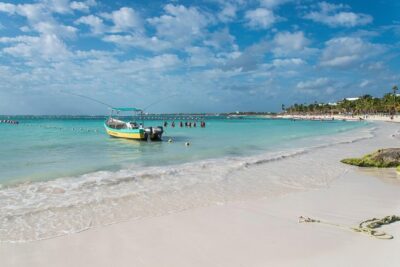 ★ 5.0Half-Day Sea Turtle and Cenote Snorkeling Tour from Cancun & Riviera MayaFrom $992,039 reviews
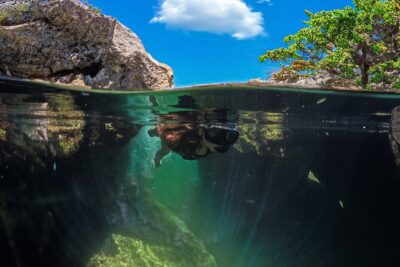 ★ 5.0Tulum Guided Tour, Magical Cenote, Lagoon Snorkeling and Beachside LunchFrom $1691,888 reviews
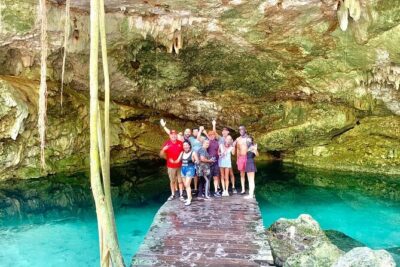 ★ 5.0Playa del Carmen Buggy Tour with Cenote Swim and Mayan Village VisitFrom $991,747 reviews
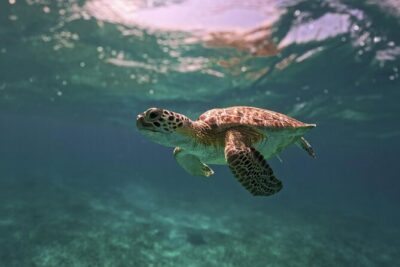 ★ 5.0Tulum Ruins, Turtles in Akumal and Cenote tourFrom $1291,706 reviews
 ★ 5.0Jungle Buggy Tour from Playa del Carmen Including Cenote SwimFrom $1101,253 reviews
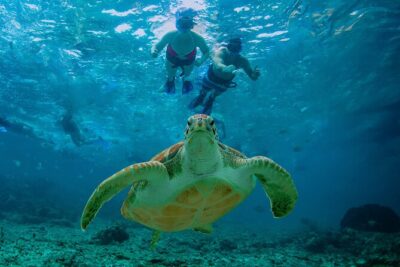 ★ 5.0Hidden Cenote Swim: Snorkeling, Sea Turtles and Beachside LunchFrom $1691,222 reviews
Browse the lists this tour appears in