
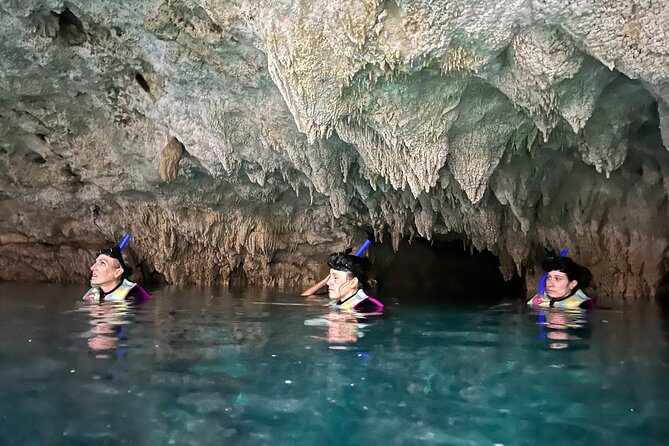
Reviewed · CENOTE SWIMS NEAR PLAYA
Snorkeling Activity in a Cenote Expedition
Three cenotes, one long underground swim. This private cenote expedition in Tulum strings together three different water worlds—open air, open-and-cave, and a true cave—and includes the cool story of how these places formed. I really like that you’re guided by Luis, who turns the trip into real context, not just spot-by-spot sightseeing.
I also love the way the snorkeling is handled like a full experience, not a quick in-and-out stop. You get snorkel gear, history, and on-the-water guidance that helps you feel safe and comfortable as the scenery changes fast. One possible drawback: it’s built as a 4-hour outing, so if you want a slow, all-day cenote crawl, you may feel a little rushed.
In This Review
- Key Things That Make This Cenote Snorkeling Stand Out
- Why This Cenote Route Feels More Like a Story Than a Swim
- Your 4-Hour Plan: Casa Cenote to the Cave System
- Stop 1: Casa Cenote, Where Wildlife Shows Up Fast
- Stop 2: Sac Actun, With Bats, Caves, and Rock Formations
- The Long Underground River Snorkel to the Final Cenote
- What Luis Does Differently (And Why It Matters)
- Price and Value: Is $148.87 Worth It?
- Who Should Book This Cenote Expedition?
- Should You Book This Tulum Cenote Snorkeling Tour?
- FAQ
- How long is the snorkeling cenote expedition?
- Where does pickup happen?
- Is this a private tour?
- What languages are offered?
- How many cenotes are included?
- What is the first cenote stop?
- Is snorkeling gear included?
- Do I need a ticket on my phone?
- What time of day can I take the tour?
- Is free cancellation available?
Key Things That Make This Cenote Snorkeling Stand Out
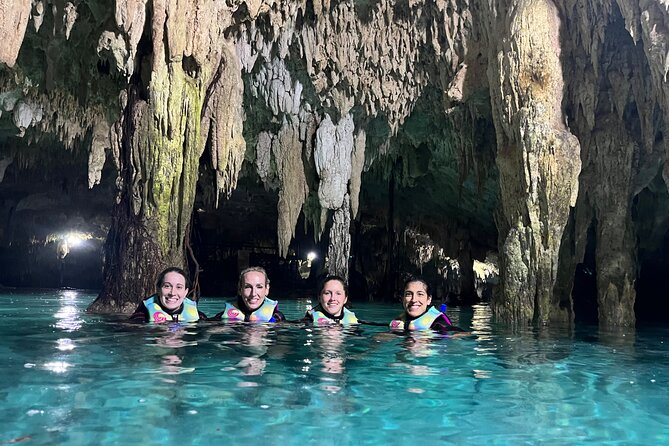
- Three cenotes with three different vibes: open, open-and-cave, and a cave experience
- Sac Actun connection: snorkel from the second cenote to the third through the longest underground river of the world
- Guide Luis’s approach: lots of Mayan culture, local history, and practical explanations
- Wildlife moments at Casa Cenote: fish, blue crabs, birds, and a resident crocodile sunning nearby
- Photo help on request: Luis took pictures for a guest who didn’t have an underwater camera
- Private group feel: only your group participates, so you can move at your pace
Cooler water underground, more Playa cenotes to pick from
- Chichen Itza, Cenote and Valladolid Small Group Day Trip★ 5.0 · 2,104 reviews
- Tulum Guided Tour, Magical Cenote, Lagoon Snorkeling and Beachside Lunch★ 5.0 · 1,888 reviews
- Tulum Ruins, Turtles in Akumal and Cenote tour★ 5.0 · 1,706 reviews
- Selva Maya Eco Adventure Park: Ziplining, Hanging Bridges, Rappelling and Cenote★ 5.0 · 1,057 reviews
Why This Cenote Route Feels More Like a Story Than a Swim
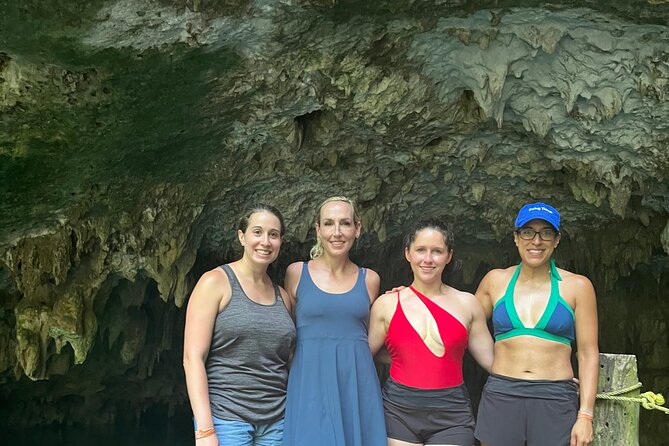
Tulum’s cenotes are famous for a reason: they’re part cave, part spring, part time capsule. What I like about this particular route is that it doesn’t just show you water and limestone. It walks you through how cenotes formed and how the Maya understood and used them—so when the water goes from open to cave-like darkness, it actually makes sense instead of feeling random.
You’re also getting a structure that helps your brain keep up. Stop one gives you daylight and easy visual cues. Stop two shifts toward a world with bats, rock formations, and that eerie-but-beautiful rhythm of underground water. Then the final portion brings you to the cave end of the system, reached by snorkeling through the underground river. That flow matters, because cenotes are easier to enjoy when you aren’t constantly re-orienting yourself.
And yes, the scenery is the headline. But the guide is what makes it stick. Luis is described as friendly and really strong on Mayan culture, Mexican history, food, and nature. That combo is rare on tours that focus only on the water.
Your 4-Hour Plan: Casa Cenote to the Cave System
This trip runs about 4 hours, and it’s timed within opening hours from 9:00 AM to 2:00 PM (Mon–Sun). You’ll get pickup from your location that you agree on, and the tour is handled as private, meaning only your group participates.
While the full itinerary has three cenotes, the pacing is what you should pay attention to. You’re not doing three separate “arrive, swim, leave” stops. Instead, the middle stop connects to the final stop via snorkeling through an underground river. That changes how you experience the day: you’re not just visiting—you’re moving through the system.
Here’s the simple mental model to use:
- Casa Cenote first: open-water viewing, a sense of place, and wildlife
- Sac Actun second: more cave features, more “wow” rock shapes, and a sense of depth
- Final cenote/cave area third: you reach it by snorkeling through the underground river connection
The tour also includes snorkeling gear and an explanation of what you’re seeing, so you’re not left guessing what the stalactites and stalagmites are doing there.
Stop 1: Casa Cenote, Where Wildlife Shows Up Fast
Casa Cenote is the “get your bearings” stop. It’s open and gives you the most daylight reference points, which helps you feel comfortable right away. The water is clear enough that you can see marine life without trying too hard.
In particular, I love how this stop can surprise you with animal encounters. One highlight described is seeing fish, blue crabs, and birds while floating nearby. And then there’s the extra-suspense moment: a resident crocodile sunning itself on the rocks.
Now, this might sound intense, but it’s also one of the best reasons to go with a guide who knows the local animals. The explanation given on the tour is that these crocodiles eat fish and are nocturnal, so you’re encouraged to respect space and move quietly. The end result is that you can watch without turning it into panic. It turns what could be scary into something calm and fascinating.
Potential drawback to keep in mind: you are sharing the water and shoreline with wildlife. If you get nervous around animals, tell your guide early so they can help you read the situation.
Stop 2: Sac Actun, With Bats, Caves, and Rock Formations
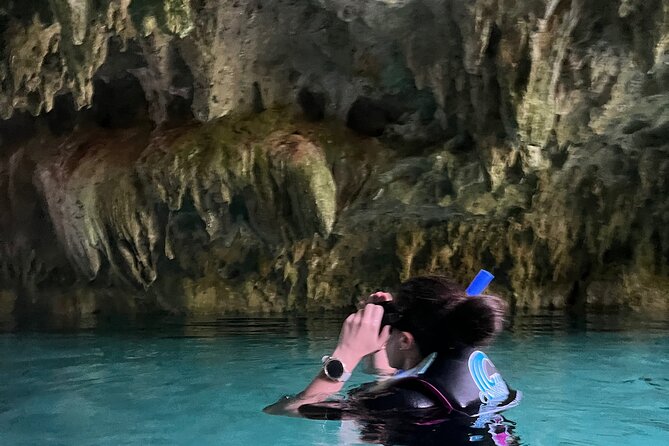
Sac Actun is where the trip starts to feel more “system” than “single cenote.” This is the stop described with open cave areas and a range of features—fish, bats, and those striking rock-and-water zones that look like nature built them for movie scenes.
One of the standout descriptions is the presence of tree islands, including a tree top with a hole at the top. That kind of detail is easy to miss if you’re rushing, so having time and a guide who knows where to go really helps.
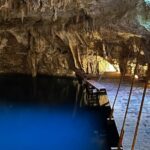
You’ll also see caves with stalagmites and stalactites, and columns in fresh, clean water. These formations are more than pretty shapes. They’re clues about how long water has been doing its work—how minerals have built up over time, shaping underground ceilings and floors. The tour’s framing helps you notice this without needing a geology degree.
This stop also has a safety-by-confidence effect. Guests specifically mention feeling safe during the explorations, and that’s usually the difference between a cenote that feels “wild” and one that feels like chaos: good guidance, clear pacing, and respect for the underwater space.
More masks-on mornings around Playa


The Long Underground River Snorkel to the Final Cenote
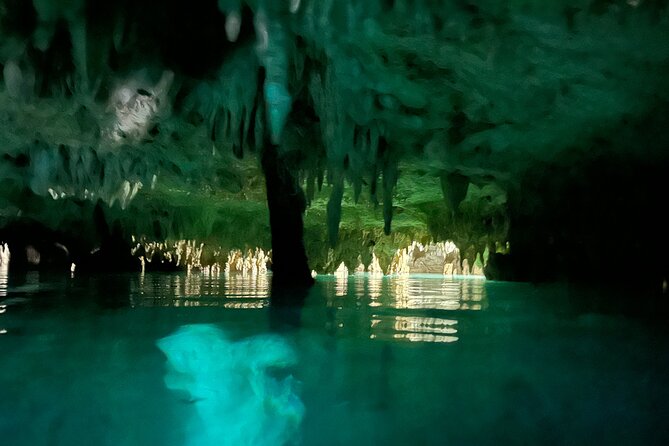
The defining moment here is the transfer from the second stop to the third: you snorkel through the longest underground river of the world, reaching the biggest cave in the American continent (as described for this experience). Even if you don’t care about superlatives, you’ll feel the difference when you’re moving between these connected spaces.
This is the part of the day where the water-and-rock environment changes your sense of scale. Open-air sunlight drops away, and you spend more time orienting by sound and movement rather than by landmarks. It’s also where the cave style becomes real—not just “a cenote with some caves nearby.”
If you’re comfortable in the water and you listen to the guide’s instructions, this section tends to be the one people remember most. It’s not just because the scenery is dramatic. It’s because the tour structure turns it into a smooth transition rather than a separate, confusing detour.
Practical tip based on what you’re likely to encounter: if you don’t have an underwater camera, ask the guide if they can help with photos. Luis is specifically mentioned as taking pictures for a guest who didn’t have one. That can save you from carrying extra gear you didn’t plan on.
What Luis Does Differently (And Why It Matters)
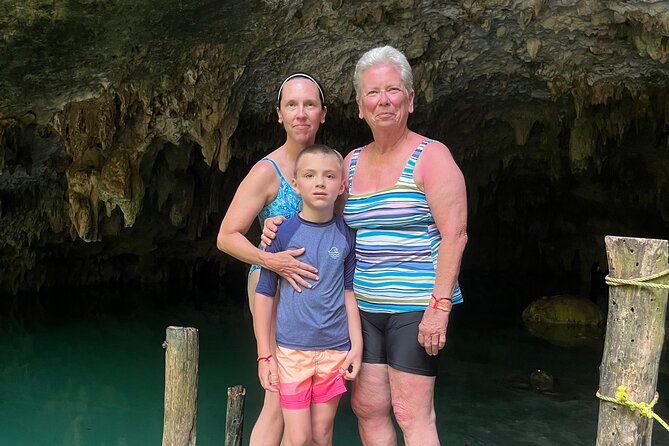
A lot of cenote tours stop at sight and swimming. This one seems to do something else: it builds meaning. Luis shares information about the history of the cenotes, how they formed, and when they formed. He also connects it to Mayan culture and local life.
That matters because cenotes are easy to treat like a photo location. But once you understand what you’re looking at—open water vs. cave system, how formations develop, what these places meant—you tend to look longer. You notice more. You also ask better questions, because the guide’s explanations give you something to grab onto.
There’s also a practical side to Luis’s guidance. Guests mention that he provided snorkel equipment and helped them explore at their own speed while still keeping things organized. In a private setting, that pacing flexibility can be a big deal.
Price and Value: Is $148.87 Worth It?
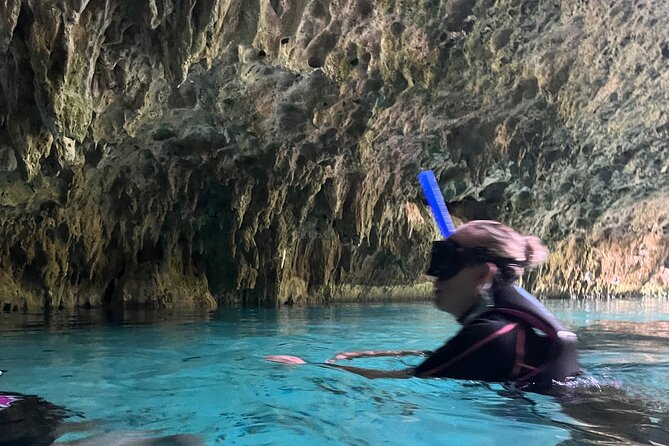
At $148.87 per person for about 4 hours, this isn’t a “cheap and cheerful” outing. But it may be good value if you care about three things:
- Private format: you’re not stuck with a big group rhythm, and your guide can pace you.
- Three cenotes in one system flow: especially the connection between the second and third stop via the underground river.
- Included snorkel equipment and guidance: you’re not spending time figuring out gear or managing logistics mid-water.
If you’re comparing it to group tours that go to only one or two sites, the extra cenote coverage is the obvious reason this price can feel fair. And if you’re traveling solo, the private nature can make the math work better than you’d expect, because you’re paying for a service—not for seats in a crowd.
Who Should Book This Cenote Expedition?
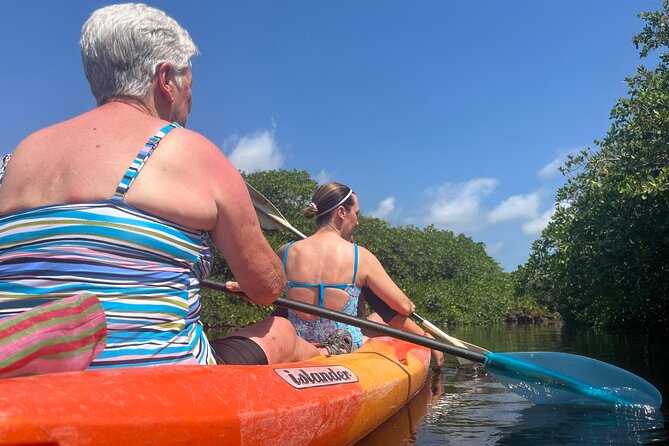
This is a strong fit if you want:
- a private cenote experience rather than a crowded shuffle
- a guide who explains history and culture, not just where to stand
- a day with wildlife moments, especially if you’re curious about what can share the water with you
- a snorkeling route that includes the connected cave-world swim
It’s also a good match if you like structure. The route has clear stops and a logical progression from open to cave, so you’re not constantly guessing what’s next.
On the flip side, if you’re the type who wants total freedom with zero schedule and zero guidance, a guided expedition might feel too managed. And if you’re extremely nervous about wildlife (even with calm guidance), you’ll want to think carefully before booking Casa Cenote first.
Should You Book This Tulum Cenote Snorkeling Tour?
I’d book it if you want a guided, high-quality cenote day that mixes scenery with context—especially with the Casa Cenote to Sac Actun to cave connection that makes this route feel like one continuous adventure.
Skip it if you’re looking for something more DIY and wandering-heavy, or if a 4-hour window doesn’t match your travel style. Also, because the experience includes wildlife sightings like a crocodile sunning on rocks, you should be comfortable with the idea of sharing the environment.
If you want an honest “fit” test: ask yourself whether you’d rather understand the cenotes as living natural spaces, or just snap photos and move on. This tour is built for the first option.
FAQ
How long is the snorkeling cenote expedition?
It runs about 4 hours (approx.).
Where does pickup happen?
Pickup is offered. You’ll be picked up at the location you agree on.
Is this a private tour?
Yes. It’s a private tour/activity, and only your group participates.
What languages are offered?
The tour is offered in English.
How many cenotes are included?
You visit three types of cenotes: one open, one open and cave, and one cave.
What is the first cenote stop?
The first stop is Casa Cenote.
Is snorkeling gear included?
Yes. Snorkel equipment is provided.
Do I need a ticket on my phone?
You’ll receive a mobile ticket.
What time of day can I take the tour?
The listed opening hours are 9:00 AM to 2:00 PM.
Is free cancellation available?
Yes. You can cancel for a full refund up to 24 hours in advance of the experience start time.
More Masks-On Mornings
- Tulum Guided Tour, Magical Cenote, Lagoon Snorkeling and Beachside Lunch
★ 5.0 · 1,888 reviews - Magical Cenote and Paradise Lagoon Snorkeling Adventure
★ 5.0 · 808 reviews - Tulum, Snorkeling with Sea Turtles, Cenote and Beachside Lunch
★ 5.0 · 446 reviews - 2-Hour Snorkeling in Two Spots of Tulum’s Reef
★ 4.5 · 303 reviews - Snorkeling with Caribbean fish and private cenote exploration
★ 5.0 · 212 reviews - Tulum: 2-Hour Snorkeling in Two Spots of Tulum’s Reef
★ 4.5 · 183 reviews
More Tour Reviews in Tulum
- Chichen Itza, Cenote and Valladolid Small Group Day Trip
★ 5.0 · 2,104 reviews - Tulum Guided Tour, Magical Cenote, Lagoon Snorkeling and Beachside Lunch
★ 5.0 · 1,888 reviews - Tulum Ruins, Turtles in Akumal and Cenote tour
★ 5.0 · 1,706 reviews - Sian Ka’an Adventure Full Day Trip to Punta Allen
★ 5.0 · 1,179 reviews - Selva Maya Eco Adventure Park: Ziplining, Hanging Bridges, Rappelling and Cenote
★ 5.0 · 1,057 reviews - Tulum Archaeological Site & Sian Ka’an Muyil Tour from Tulum
★ 5.0 · 824 reviews
More Playa Cenotes Worth the Swim
- Chichen Itza, Cenote and Valladolid Small Group Day Trip
★ 5.0 · 2,104 reviews - Tulum Guided Tour, Magical Cenote, Lagoon Snorkeling and Beachside Lunch
★ 5.0 · 1,888 reviews - Tulum Ruins, Turtles in Akumal and Cenote tour
★ 5.0 · 1,706 reviews - Selva Maya Eco Adventure Park: Ziplining, Hanging Bridges, Rappelling and Cenote
★ 5.0 · 1,057 reviews - Magical Cenote and Paradise Lagoon Snorkeling Adventure
★ 5.0 · 808 reviews - 4 Private Cenotes, Zip-Lines, Canoes & Mayan Village with Delicious Lunch
★ 5.0 · 757 reviews
Just Added: Fresh Playa del Carmen Reviews
Cenote Swims near Playa, compared.
 ★ 5.0Chichen Itza, Cenote and Valladolid Small Group Day TripFrom $2142,104 reviews
 ★ 5.0From Playa del Carmen ATV Adventure with Ziplines, CenoteFrom $492,041 reviews
 ★ 5.0Half-Day Sea Turtle and Cenote Snorkeling Tour from Cancun & Riviera MayaFrom $992,039 reviews
 ★ 5.0Tulum Guided Tour, Magical Cenote, Lagoon Snorkeling and Beachside LunchFrom $1691,888 reviews
 ★ 5.0Playa del Carmen Buggy Tour with Cenote Swim and Mayan Village VisitFrom $991,747 reviews
 ★ 5.0Tulum Ruins, Turtles in Akumal and Cenote tourFrom $1291,706 reviews
 ★ 5.0Jungle Buggy Tour from Playa del Carmen Including Cenote SwimFrom $1101,253 reviews
 ★ 5.0Hidden Cenote Swim: Snorkeling, Sea Turtles and Beachside LunchFrom $1691,222 reviews
Browse the lists this tour appears in