
Reviewed · CENOTE SWIMS NEAR PLAYA
Small Group with early access to Chichen Itza, Coba and Cenote
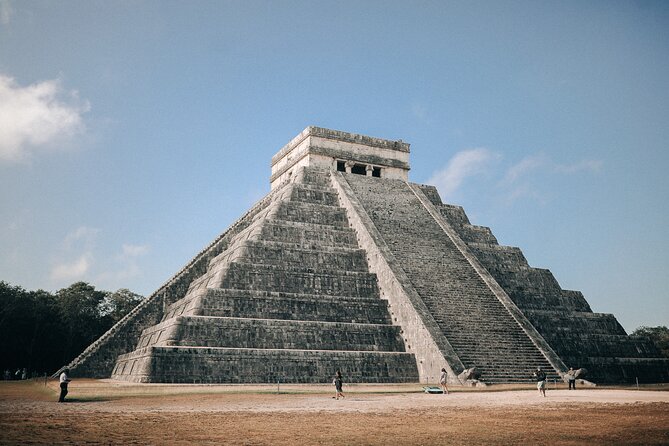
One early start changes everything. This small-group outing strings together three big Mayan stops with early access to Chichen Itza plus a real cenote swim.
I like that the pacing gives you time to take photos without wall-to-wall crowds, and then cool off with an included swim at Cenote Chukum.
One thing to plan for: it’s a long day (12–13 hours total) and you’ll still pay site-related taxes/entry fees at Chichen Itza and Coba on top of the base price.
In This Review
- Key highlights at a glance
- Early Chichen Itza access: why this tour starts before the crowds
- Chichen Itza in 2.5 hours: temples, the observatory, and a practical photo plan
- Cenote Chukum swim: cooling off under stalactites
- Coba’s jungle ruins: stretch your legs after the big day
- Pacing, lunch, and transportation: comfortable, but plan for the long day
- Price and extra fees: what you’re really paying for
- Who this tour suits best (and who should adjust expectations)
- Bottom line: should you book this Chichen Itza–Coba–cenote day trip?
- FAQ
- How long is the full tour from Playa del Carmen or nearby areas?
- Does this tour include hotel pickup?
- Are admission tickets for Chichen Itza and Coba included?
- Is Cenote Chukum entry included?
- How much time do I get at Chichen Itza for photos?
- How many people are in the group, and what fitness level is needed?
Key highlights at a glance
- Early Chichen Itza access for calmer photos and a smoother visit through major landmarks
- A real photo window: guided time first, then 45 minutes to explore and shoot at your own pace
- Cenote Chukum with admission included and time to swim under stalactites
- Coba in the jungle with a guided walk to the main pyramid area
- Small group cap (up to 14 people) plus AC transport, bottled water, and lunch
- Guides like Carmen and drivers like Edgar get named again and again for keeping things on track
Cooler water underground, more Playa cenotes to pick from
- From Playa del Carmen ATV Adventure with Ziplines, Cenote★ 5.0 · 2,041 reviews
- Half-Day Sea Turtle and Cenote Snorkeling Tour from Cancun & Riviera Maya★ 5.0 · 2,039 reviews
- Playa del Carmen Buggy Tour with Cenote Swim and Mayan Village Visit★ 5.0 · 1,747 reviews
- Jungle Buggy Tour from Playa del Carmen Including Cenote Swim★ 5.0 · 1,253 reviews
Early Chichen Itza access: why this tour starts before the crowds
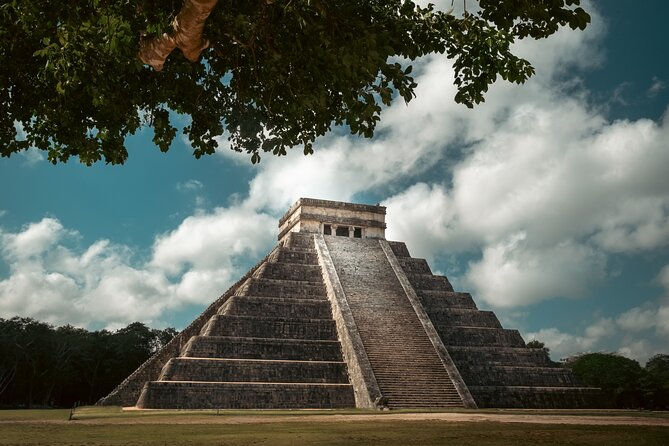
Chichen Itza is famous for a reason, but the tricky part is the timing. Do it late, and you fight for space, light, and attention. Do it early, and you get breathing room.
That’s the core idea here: you arrive while the ruins are fresh and open, so you can focus on the buildings themselves instead of clock-watching for the biggest crowd surges. In a day that includes a cenote and another major ruin site, early access also helps keep the whole route feeling realistic, not rushed.
You’ll have a guide with you throughout the Chichen Itza portion, so you’re not just walking between pretty rocks. You get context while you’re there, and then you get your own time afterward to wander, take photos, and shop only if you feel like it.
Chichen Itza in 2.5 hours: temples, the observatory, and a practical photo plan
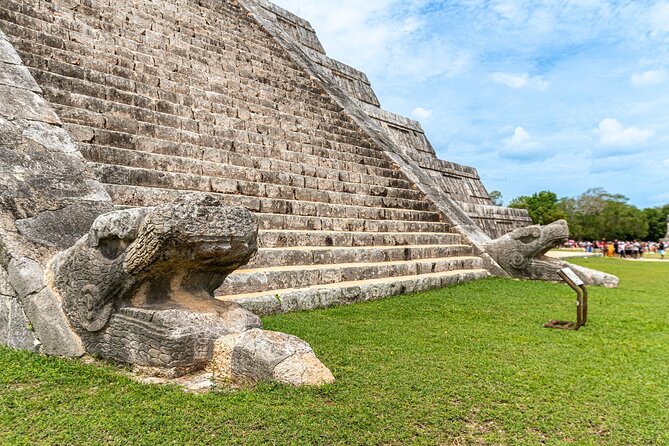
You’ll spend about 2.5 hours at Chichen Itza total, with 1 hour 45 minutes guided and 45 minutes of free time. That split is smart. The guide period helps you understand what you’re looking at—so photos actually mean something. The free time then turns that understanding into your own pace.
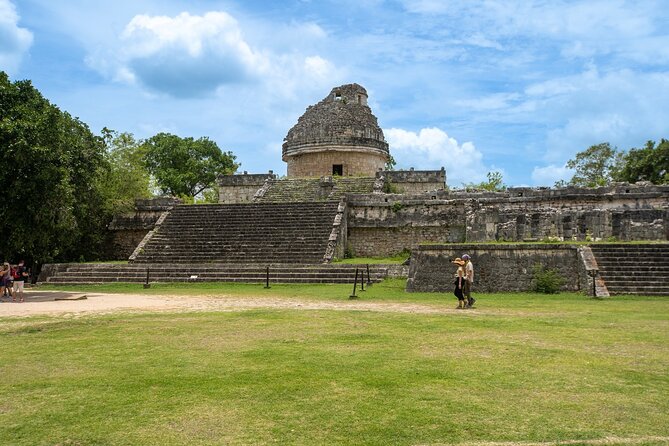
During the guided walk, you’ll cover the big hitters, including La Iglesia, Las Monjas, and The Observatory. There’s also mention of one of the two cenotes inside the ruins, which is a neat detail because it adds another layer beyond the temple-and-stairs postcard view.
The highlight for many people is photographing the Kukulkan Castle with fewer bodies around. The tour’s timing is built for that, and the itinerary specifically calls out taking pictures at the castle without crowd pressure. If you care about getting clean angles and better light, this is where the value shows.
You’ll also get time to see other key structures like the 1000 Columnas Temple, the Jaguar Temple, and the big Mayan ball game stadium. The ball court is one of those places that looks huge in photos but really lands when you’re standing there. The guide time helps you notice the details instead of just staring upward.
A practical tip: in your 45-minute free window, think in rounds. One pass for your must-shots (castle and main temples), one pass to reposition for better angles, and a quick loop for anything you missed during the guided talk.
Cenote Chukum swim: cooling off under stalactites
After the heat and walking of Chichen Itza, you switch gears at Cenote Chukum. This stop is where the day becomes physical in a different way—and it’s included in a way that matters: cenote admission is included, and you get about 2 hours total at the site.
The tour format here is straightforward. You visit, then you get to swim under hundreds of stalactites. That’s the draw: the ceiling is close enough to make it feel like you’re in a natural room, not just in a pool.
A couple of practical considerations. Bring a swimsuit you can tolerate (you’ll be in water for real), and expect the cenote area to feel cooler than the ruins outside. You’ll still want to guard against sun once you’re back on land, since the day is long.
If you’re not a strong swimmer, you might still enjoy it. The tour data doesn’t spell out depth or safety gear, so I’d treat it as a place where you only go as far as you feel comfortable. The best strategy is to follow your guide’s instructions and take your time entering.
Coba’s jungle ruins: stretch your legs after the big day
Then you head to Coba, a Mayan site set deeper into the jungle. The route time is described as about 1 hour from Tulum, and that matters because it sets your expectations: you’re not just doing local ruins hopping. You’re doing a full, cross-region day.
Coba is known for its main pyramid area—described as the highest pyramid of Yucatan. You’ll take a guided walk through different buildings and learn what Coba meant within the Mayan world.
One reason this stop works in the itinerary is that it gives your body a different kind of activity. Chichen Itza is mostly stone exploration and structured touring. Coba adds more movement—walking through a forested ruin space—so the day feels balanced rather than all “look, then repeat.”
Also, there’s enough time built in to handle at least one big climbing effort if you’re interested. One example from the experience feedback was people getting time to climb Coba’s main tower area before closing. That tells me the schedule leaves room for a serious “I want the viewpoint” moment, not just a quick pass.
What I like most: Coba tends to feel more like a living jungle than a managed postcard site. You may still see other groups, but the setting changes your mood.
Still on the Maya trail? More runs out to Chichen Itza


Pacing, lunch, and transportation: comfortable, but plan for the long day
This is not a half-day excursion. The total time including land transport is about 12 to 13 hours, depending on where you start. That’s the big tradeoff.
What helps is that the transport is air-conditioned, and you’ll get bottled water. AC matters in this region. It turns long transfers from miserable to just tiring.
You also get lunch included, which is a big deal on a day with two archaeological sites and a cenote. In practice, it prevents the common problem of “we’re starving, so we rush everything.” Based on how the tour is described, lunch is part of the plan, not an optional add-on you have to hunt down.
As for group size, it’s capped at up to 14 people. That usually means you can hear the guide, keep up, and not feel like cattle in a line. The group size also helps explain why the schedule can fit early Chichen Itza, cenote time, and Coba without turning into an all-day waiting game.
Finally, there’s a key detail: the experience is designed to be all-guided (with that one set free-time block at Chichen Itza). That matters if you’re the kind of person who wants more than a self-guided walk through ruins.
Price and extra fees: what you’re really paying for
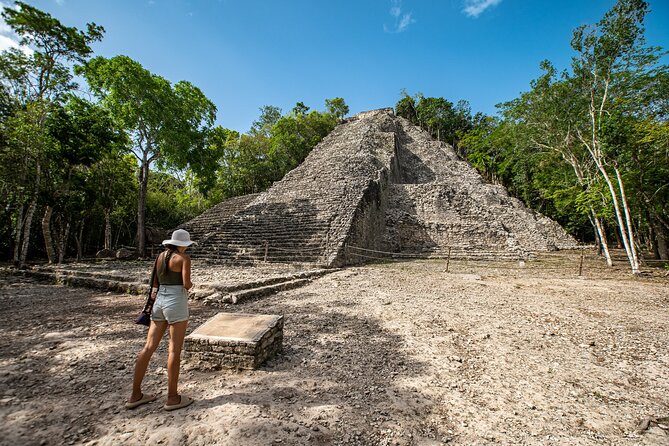
At $148.66 per person, you’re paying for more than seats on a bus. The price includes early access to Chichen Itza, guided visits, bottled water, lunch, and the cenote admission at Cenote Chukum.
So where does the extra money come in? Two places:
1) Chichen Itza and Coba admission/taxes are not included in the base price.
2) The tour also states GST (Goods and Services Tax) MX$1,100.00 per person is not included.
On top of that, the additional info lists Chichen Itza and Coba state taxes you’ll pay at travel time (MXN 900 per person listed, and a note that from January 1, 2026 the amounts change to 1100 MXN per adult and 550 MXN per child under 12). Plan to bring enough cash or confirm payment options when you book.
Is it still good value? I think so, if you care about time efficiency. Early access plus guided context plus a cenote swim included can add up quickly if you piece it together on your own. Where you can feel the cost is if you’re hoping everything is fully included. It isn’t. It’s mostly organized to ensure you don’t lose hours waiting in lines or wandering without direction.
Who this tour suits best (and who should adjust expectations)
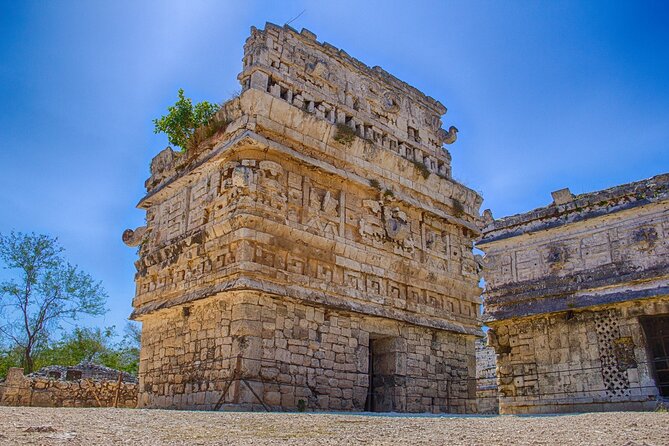
This trip fits well if you want a high-quality one-day Mayan sampler: Chichen Itza, cenote swim, and Coba in a single run.
It’s a good fit for:
- People who like guided explanations but also want time for their own photos
- Travelers who want fewer crowd headaches thanks to early access
- Anyone comfortable with a long day and moderate walking
It may be less ideal if:
- You hate early mornings and long transport days (this is 12–13 hours total)
- You dislike paying on-site fees for major sites (Chichen Itza and Coba have not-included parts)
Also, the tour is listed as requiring moderate physical fitness. That doesn’t mean you need to be an athlete, but it does mean you should be ready for walking, stairs, and time on uneven ruin surfaces.
Bottom line: should you book this Chichen Itza–Coba–cenote day trip?
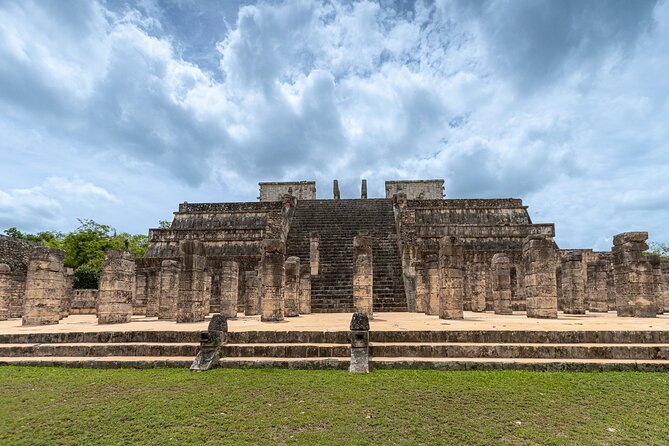
If you’re choosing between doing these stops separately or trying to pack them all in, I’d lean toward booking this if you value timing. Early access to Chichen Itza plus a structured guide-first approach and a real photo window is the kind of planning that pays off in photos and in understanding what you’re seeing.
I’d say book it if:
- You want Chichen Itza without the worst crowd crush
- You want an included cenote swim at Cenote Chukum
- You’re okay budgeting for the extra site taxes/fees that aren’t included
I’d skip it if:
- You want a short day
- You strongly prefer fully inclusive pricing with no on-site payments
Overall, it’s a well-run day that focuses on the places you came for, not a lot of detours. And when the day starts early enough, Chichen Itza feels like a discovery instead of a race.
FAQ
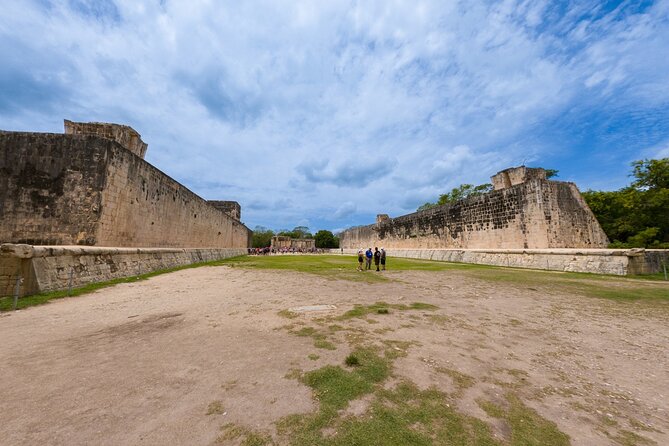
How long is the full tour from Playa del Carmen or nearby areas?
The total time, including land transportation to the sites and back to your hotel/meeting point, is about 12 to 13 hours depending on your accommodation location.
Does this tour include hotel pickup?
Pickup is offered in most hotels. If your hotel doesn’t have pickup, you’ll meet at the nearest option. For people staying in Tulum downtown or the Hotel Zone, pickup isn’t provided; you meet at Super Aki doors at the entrance to Tulum City at 07:00 am.
Are admission tickets for Chichen Itza and Coba included?
No. The admission ticket is listed as not included for Chichen Itza and Coba, and you also have to pay Chichen Itza and Coba state taxes at the travel date. The tour also notes GST MX$1,100 per person is not included.
Is Cenote Chukum entry included?
Yes. Cenote Chukum admission is included, and the tour schedules about 2 hours at the cenote, including time to swim under stalactites.
How much time do I get at Chichen Itza for photos?
You get 1 hour 45 minutes guided and then 45 minutes free time for taking pictures, exploring on your own, or shopping inside the ruins.
How many people are in the group, and what fitness level is needed?
The tour has a maximum group size of 14 people. It’s described as requiring moderate physical fitness.
More Jungle Miles Out to Coba
- Chichen Itza, Cenote Ik Kil, Coba Ruins Small Group Early Arrival
★ 4.5 · 886 reviews - Coba Multun-Ha Cenote Tulum and Mayan Museum Small Group
★ 4.5 · 773 reviews - Coba, Tulum, Multun-Ha Cenote and Mayan Museum Reduced Group
★ 5.0 · 344 reviews - Exclusive Private Tour Tulum & Coba Just for You
★ 5.0 · 327 reviews - Tulum & Coba Ruins with Cenote Swim Tour from Playa del Carmen
★ 4.5 · 302 reviews - Coba and Tulum, cenote swim and buffet lunch
★ 4.5 · 194 reviews
Chichen Itza, a Few More Ways There
- VIP Chichen Itza Private Tour
★ 5.0 · 1,782 reviews - Skip the Line Chichen Itza Private Tour, Sacred Cenote & Lunch
★ 5.0 · 1,089 reviews - Chichén Itzá, Cenote and Valladolid with Lunch and transportation
★ 5.0 · 999 reviews - Chichén Itzá Ancestral Tour from Playa del Carmen with Cenote
★ 4.5 · 995 reviews - Chichen Itza: Guided Tour with Valladolid & Cenote Chichikan
★ 4.6 · 911 reviews - Chichen Itza, Cenote Ik Kil, Coba Ruins Small Group Early Arrival
★ 4.5 · 886 reviews
More Playa Cenotes Worth the Swim
- From Playa del Carmen ATV Adventure with Ziplines, Cenote
★ 5.0 · 2,041 reviews - Half-Day Sea Turtle and Cenote Snorkeling Tour from Cancun & Riviera Maya
★ 5.0 · 2,039 reviews - Playa del Carmen Buggy Tour with Cenote Swim and Mayan Village Visit
★ 5.0 · 1,747 reviews - Jungle Buggy Tour from Playa del Carmen Including Cenote Swim
★ 5.0 · 1,253 reviews - Hidden Cenote Swim: Snorkeling, Sea Turtles and Beachside Lunch
★ 5.0 · 1,222 reviews - Full Day Tulum Ruins Tour Cenote and Swimming with Sea Turtles
★ 5.0 · 1,171 reviews
Just Added: Fresh Playa del Carmen Reviews

Cenote Swims near Playa, compared.
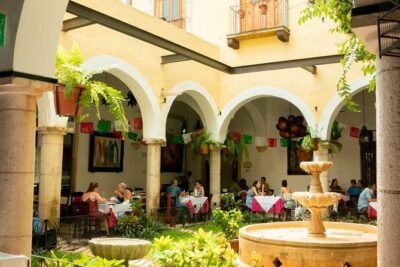 ★ 5.0Chichen Itza, Cenote and Valladolid Small Group Day TripFrom $2142,104 reviews
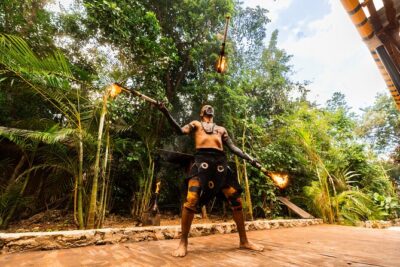 ★ 5.0From Playa del Carmen ATV Adventure with Ziplines, CenoteFrom $492,041 reviews
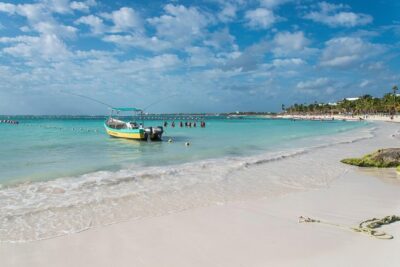 ★ 5.0Half-Day Sea Turtle and Cenote Snorkeling Tour from Cancun & Riviera MayaFrom $992,039 reviews
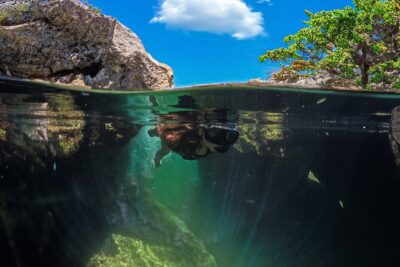 ★ 5.0Tulum Guided Tour, Magical Cenote, Lagoon Snorkeling and Beachside LunchFrom $1691,888 reviews
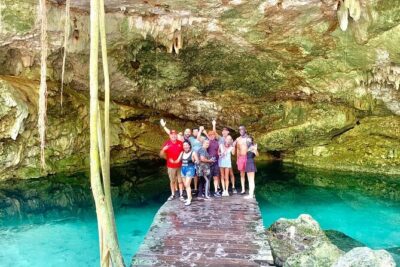 ★ 5.0Playa del Carmen Buggy Tour with Cenote Swim and Mayan Village VisitFrom $991,747 reviews
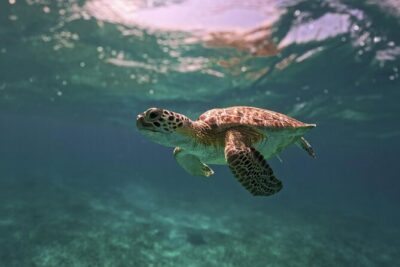 ★ 5.0Tulum Ruins, Turtles in Akumal and Cenote tourFrom $1291,706 reviews
 ★ 5.0Jungle Buggy Tour from Playa del Carmen Including Cenote SwimFrom $1101,253 reviews
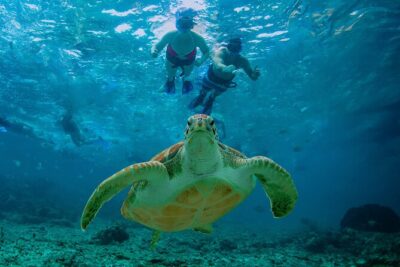 ★ 5.0Hidden Cenote Swim: Snorkeling, Sea Turtles and Beachside LunchFrom $1691,222 reviews
Browse the lists this tour appears in