
Reviewed · PLAYA DEL CARMEN
Open Water Diver course PADI including underwater video
Three days, one lifetime skill. A PADI Open Water course in Playa del Carmen with hotel pickup and drop-off and an underwater video makes learning feel both organized and fun. You do need to handle the theory part (online/independent/classroom) and complete a health questionnaire before you’re allowed in the water.
What makes Diversland’s setup interesting is the pacing: you build skills in a pool, then practice again in cenotes, then apply everything on open-water training days up to 18 meters. With a maximum of 15 people and instruction offered in English, it’s not a cattle-car course. Still, because you’re learning real scuba skills, expect early starts and a bit of homework before day one.
In This Review
- Key Highlights That Matter
- Getting PADI Open Water Certified in Playa del Carmen
- Meeting Diversland: Pickup, Morning Timing, and What to Plan
- Your Learning Base: Knowledge Development and the Digital Manual
- Pool Sessions at Diversland: Build Confidence Before You Go Deeper
- Cenote Sessions: Clear Safety Practice With Real Scenery
- Open-Water Training Days: Using Skills Up to 18 Meters
- Equipment, Fees, and the Real Value of the $480 Price
- Underwater Video: A Training Tool, Not Just a Souvenir
- Who This Course Suits Best (And Who Should Think Twice)
- What a Typical Day Feels Like
- Should You Book This PADI Open Water Course?
- FAQ
- What is included in the PADI Open Water course price of $480?
- How long is the course, and when does it start?
- Do they pick up guests from hotels in Cancun and the Riviera Maya?
- How big are the groups?
- What is the certification level and the maximum depth?
- Is diving insurance included?
- Can I cancel for a full refund?
Key Highlights That Matter
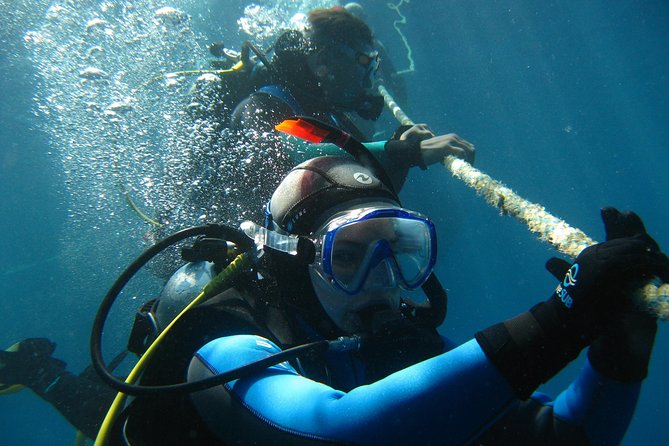
- Hotel pickup from Playa del Carmen, Cancun, and Riviera Maya keeps your mornings painless
- Two pool sessions, two cenote sessions, and two open-water training days follow a clear progression
- All equipment, classes, and PADI exam included means fewer surprises in your budget
- Underwater video plus a digital manual gives you something concrete to review
- Small group size (max 15) helps you get real attention when you’re learning
Not sure this is the one? Line it up against a few more Playa favourites first.
- From Playa del Carmen ATV Adventure with Ziplines, Cenote★ 5.0 · 2,041 reviews
- Half-Day Sea Turtle and Cenote Snorkeling Tour from Cancun & Riviera Maya★ 5.0 · 2,039 reviews
- VIP Chichen Itza Private Tour★ 5.0 · 1,782 reviews
- Playa del Carmen Buggy Tour with Cenote Swim and Mayan Village Visit★ 5.0 · 1,747 reviews
Getting PADI Open Water Certified in Playa del Carmen
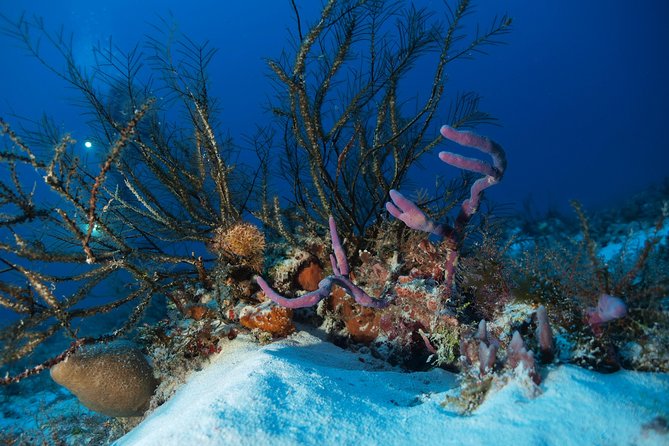
If you want certification and a vacation that still feels like a vacation, this course hits a good balance. You’re not just doing one “trial” outing. You’re building a real skill base step-by-step, with enough time in the water that you leave with confidence instead of guesswork.
The big practical win is that the program covers almost everything that usually adds friction: equipment, fees, taxes, instruction, the PADI exam, and the certification process are all part of the package. Add daily hotel pickup and drop-off, and you avoid the stressful part of learning—figuring out transport, timing, and gear logistics on day one.
One thing to keep in mind: the course is three days approx., but the learning work begins before you ever reach the water. You’ll do knowledge development either online and independently or in a classroom format, depending on what your schedule ends up being. If you hate studying, this can feel like the “boring part.” The upside is that it makes your water sessions much smoother.
Meeting Diversland: Pickup, Morning Timing, and What to Plan
This starts with a classic resort-area routine: morning pickup, then a short trip to Diversland. The tour meeting point is Plaza Palmeiras, C. 11 Sur, Ejidal, 77712 Playa del Carmen. The start time is 8:30 am, and the activity ends back at that same meeting point.
Pickup covers all hotels in Playa del Carmen, Cancun, and the Riviera Maya, which is a big deal if you’re staying outside the main center. You don’t have to coordinate taxis, and you don’t have to spend your first scuba day negotiating roads with a camera-ready sea in your eyes.
Plan to be ready early. Even if you sleep like a champion, the 8:30 start means you’ll want a simple breakfast. Bring the same mindset you’d use for a day tour with an early departure: stay hydrated, keep your bag organized, and don’t overthink it.
Also, the group limit is 15 travelers max. In real terms, that usually translates to more time your instructor can give to your specific skill needs instead of moving everyone forward at a rushed pace.
Your Learning Base: Knowledge Development and the Digital Manual
Before you go play in the water, you handle the theory. This is PADI’s knowledge development phase, done either online, through independent study, or in a classroom setting. You also receive a digital manual, which helps you review key concepts without relying on memory.
Why this matters: scuba isn’t just breathing underwater. It’s decision-making. Basic principles and theory (like buoyancy thinking, breathing control, and safety rules) are what turn a nervous first session into something you can manage. When theory is handled early, your hands start moving with less panic later.
You’ll also take part in the PADI exam as part of the package. That’s included, so you’re not paying extra at the end while you’re feeling tired and slightly sunburned.
If you’re the type who likes to understand what’s happening—why it works and what could go wrong—you’ll probably feel more comfortable during the water practice. And if you’re more of a hands-on learner, the theory phase still pays off because the skills make more sense once you’ve seen the logic.
Pool Sessions at Diversland: Build Confidence Before You Go Deeper
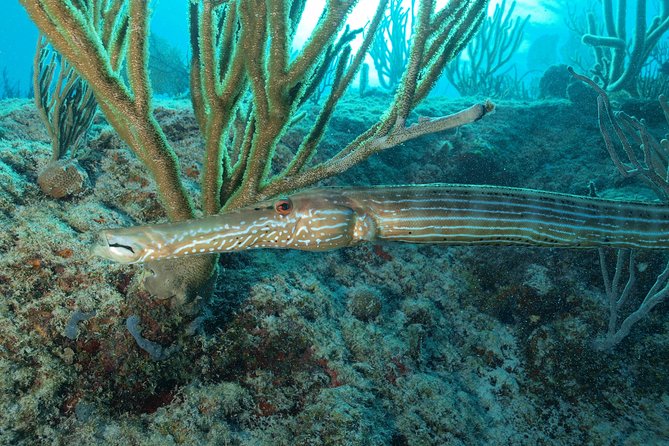
Diversland’s progression starts close to the surface. You’ll do two pool sessions, designed to teach core scuba skills in controlled conditions.
In plain terms, this is where you learn the stuff you’ll use later: how to control your breathing, how to manage your gear while moving in the water, and how to handle the key tasks calmly. Pool work also helps instructors fine-tune you safely, because they can spot mistakes quickly without the added variables of current, depth, and open-water visibility.
This is the part I consider the difference between “I tried scuba” and “I can handle scuba.” Pool sessions aren’t there to bore you. They’re there to let you practice until your body stops treating every new task like a threat.
And the teaching style clearly matters here. In student accounts, instructors like Julia are praised for repeating theory and checking understanding with quizzes, while Patrick and others are noted for patience and letting students progress at a comfortable pace. If you’re anxious going in, that slow, supportive rhythm is exactly what you want in the pool.


Cenote Sessions: Clear Safety Practice With Real Scenery
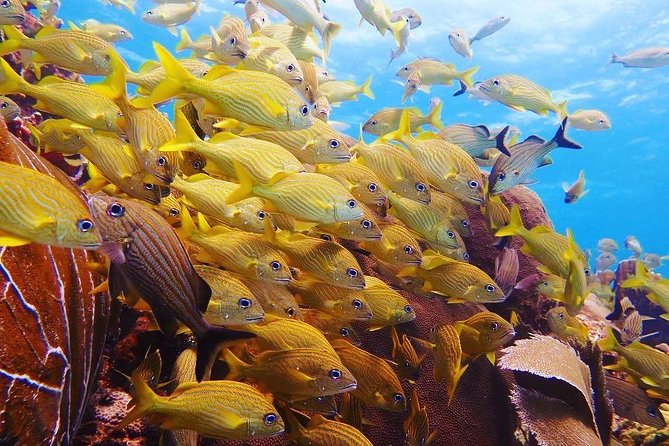
After the pool work, you’ll head to two cenote sessions. Cenotes are a special training setting because they’re enclosed compared with open water, which often makes early underwater learning feel less overwhelming.
You also get a visual payoff here. Cenotes can feel like a different world—rock walls, shafts of light, and that calm, enclosed feeling. It’s not just scenery, though. The setting supports learning because it’s easier to manage your body position and skills without the open-water “everything moves differently” effect.
One student story mentions a moment at Casa Cenote with Pancho the crocodile. I can’t promise you’ll meet Pancho. But I like the idea that the experience doesn’t feel sterile. Cenote time can be the sweet spot: you get real-world underwater practice with a calmer mental vibe than the open ocean.
You’ll still be working. The goal is to apply what you practiced in the pool—skills first, scenery second. But in a good course, the scenery helps you stay relaxed while your skills catch up.
Open-Water Training Days: Using Skills Up to 18 Meters
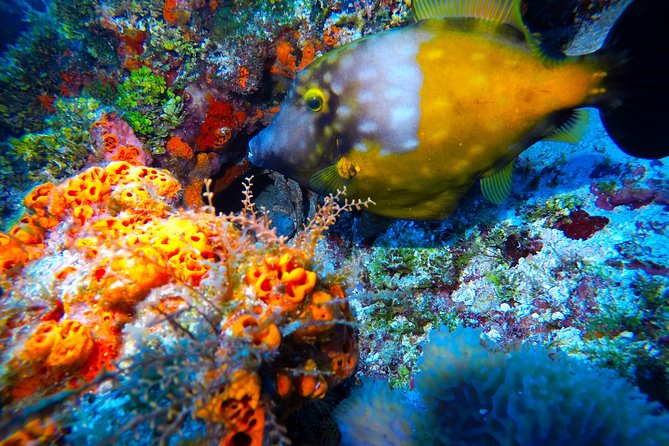
The final learning stage is two open-water training days. This is where you apply what you built in the pool and practiced in cenotes to the real environment.
What makes this step valuable is that it’s not treated like a random “show up and hope.” The course is structured so you can use your skills, understand how they feel when you’re slightly deeper (up to 18 meters for this certification level), and get feedback while conditions are real.
This is also where good instruction shows. Many students highlight that instructors stay close, talk you through tasks clearly, and keep you feeling safe even if the moment starts to feel bigger than you expected. If you’re nervous about depth, this part can feel like the payoff—because you’re not guessing. You’re repeating learned skills with a teacher who’s watching your technique.
Expect to be busy. You’re not just sightseeing. You’re completing course requirements while enjoying the water. That’s the trade: more learning than a casual vacation swim, but less chaos than a “learn everything at once” approach.
Equipment, Fees, and the Real Value of the $480 Price
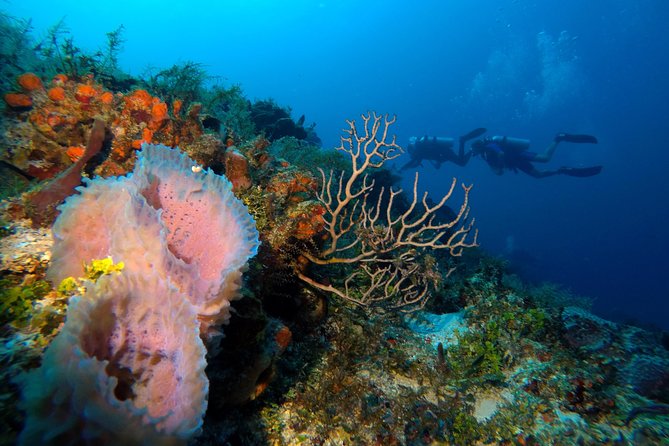
At $480 per person, you’re paying for a full PADI Open Water course experience, not just a boat ride. The cost includes all equipment, the classes, the PADI exam and certification, and the instruction, plus underwater video and a digital manual.
It also includes bottled water and all fees/taxes. That matters because hidden costs are common with “experiences.” Here, the package approach makes budgeting simpler. You show up, you get trained, and you leave with the certification path complete.
You’re also getting daily pickup and drop-off. Even if you’re comfortable with taxis, the convenience is real. You save time and reduce stress, which is part of the value you’re actually buying.
What you won’t get (and should plan for) is scuba insurance, which is optional. It’s not included, so decide based on your own risk comfort and travel plan.
Underwater Video: A Training Tool, Not Just a Souvenir
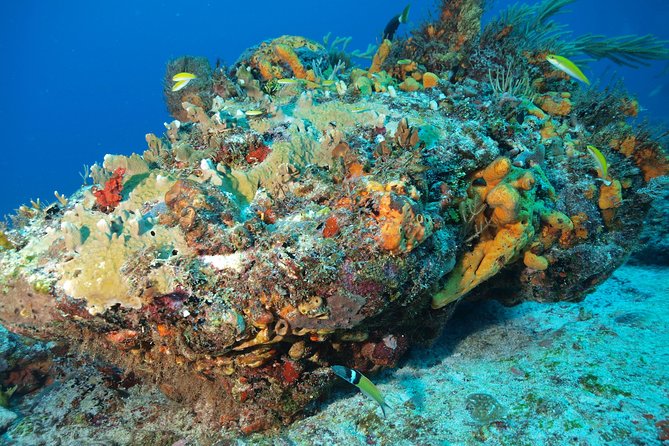
The course includes underwater video, and I love this because it’s useful. You’re learning buoyancy, body position, and task flow—things you can’t fully “feel” when you’re doing them.
Afterward, video helps you see what you did. That can speed up learning if you do more scuba training later, and it can also give you a clear memory that’s more accurate than what you assume underwater.
This is the kind of extra that’s also fun for vacation sharing. But the best part is practical: video turns your lessons into something you can review, not something that disappears after day three.
Who This Course Suits Best (And Who Should Think Twice)
This PADI Open Water course is a strong fit if you want a structured path to certification with pool practice plus cenote and open-water training, all with instruction in English and a maximum group size of 15.
It’s also a good match if you like learning with clear steps. Several instructors associated with Diversland are noted for patience—especially for students who start nervous. If you’re the kind of person who needs reassurance while mastering new skills, you’ll likely appreciate the teaching pace.
It may not be the best fit if you’re dealing with medical limitations that prevent safe participation. You’ll complete a health questionnaire prior to entering the water, and conditions like asthma or heart conditions can affect eligibility. If you’re in doubt, talk to a doctor before you go.
Also, if you’re flying in, note that scuba training within 24 hours of flying isn’t recommended. Build in rest so your body can settle and you can focus on learning.
What a Typical Day Feels Like
This course runs every day with pickup, so your schedule is consistent. You start at 8:30 am. Then you spend long enough on training that it feels like real learning, not a quick check-off.
By day two and three, you’ll likely be more relaxed in the water because your hands already know what they’re supposed to do. That’s when the best part happens: you start noticing the environment instead of just managing gear.
If you hit rough weather, you’ll still be doing something—one student noted that even with rough conditions, the course continued. In reality, that’s one reason a structured school matters. Skills practice and safety judgment don’t stop just because the day changes.
Should You Book This PADI Open Water Course?
I’d book it if your priority is real certification training with hotel pickup, included equipment and exam, and a course structure that moves from pool to cenotes to open water. The combination of underwater video plus a digital manual makes this more than a one-time “try it” day.
I’d think twice if you’re not ready for the theory work or you know health factors could block participation. Also, be honest about time: even though it’s three days, you’re committing to studying and arriving ready at 8:30 am.
If you want certification in Playa del Carmen without turning your vacation into a logistics puzzle, Diversland’s PADI Open Water course is a solid value.
FAQ
What is included in the PADI Open Water course price of $480?
The package includes all equipment, classes, the PADI exam, PADI Open Water certification, bottled water, all fees and taxes, hotel pickup and drop-off, a professional certified multilingual instructor, a digital manual, and underwater video.
How long is the course, and when does it start?
It runs for 3 days (approx.). The start time is 8:30 am.
Do they pick up guests from hotels in Cancun and the Riviera Maya?
Yes. Pickup is offered for all hotels in Playa del Carmen, Cancun, and the Riviera Maya, with hotel drop-off each day included.
How big are the groups?
The maximum group size is 15 travelers.
What is the certification level and the maximum depth?
This is the first level of PADI certification, and it allows you to dive up to 18 meters.
Is diving insurance included?
No. Diving insurance is listed as optional, not included.
Can I cancel for a full refund?
Yes. You can cancel up to 24 hours in advance for a full refund. Canceling less than 24 hours before the start time means no refund.
More Tour Reviews in Playa del Carmen
- From Playa del Carmen ATV Adventure with Ziplines, Cenote
★ 5.0 · 2,041 reviews - Half-Day Sea Turtle and Cenote Snorkeling Tour from Cancun & Riviera Maya
★ 5.0 · 2,039 reviews - VIP Chichen Itza Private Tour
★ 5.0 · 1,782 reviews - Playa del Carmen Buggy Tour with Cenote Swim and Mayan Village Visit
★ 5.0 · 1,747 reviews - Playa del Carmen Walking Food Tour
★ 5.0 · 1,274 reviews - Jungle Buggy Tour from Playa del Carmen Including Cenote Swim
★ 5.0 · 1,253 reviews